Hey there! I’m a supplier of molding machines, and today I wanna chat about the super important role of temperature sensors in these machines. Molding Machine

First off, let’s get into what a molding machine actually does. In simple terms, a molding machine is used to shape materials into specific forms. Whether it’s plastic, metal, or some other stuff, the machine takes raw material, heats it up to a malleable state, and then molds it into the desired shape. And that’s where the temperature sensor comes in.
One of the key functions of a temperature sensor in a molding machine is to ensure the right temperature for the material. Different materials have different melting points and optimal processing temperatures. For example, if you’re working with a type of plastic, it needs to be heated to a certain temperature so that it can flow smoothly into the mold. If the temperature is too low, the material won’t be soft enough, and it might not fill the mold properly, leading to defects in the final product. On the other hand, if the temperature is too high, the material could degrade, change its properties, or even burn.
Let’s take a closer look at how the temperature sensor helps in this process. The sensor continuously monitors the temperature inside the machine, especially in the heating zones. It sends real – time data to the control system of the molding machine. The control system then uses this data to adjust the heating elements. If the temperature is below the set point, the control system will increase the power to the heaters to raise the temperature. If it’s above the set point, it will reduce the power or even turn off the heaters for a while.
Another important function is quality control. In the molding process, maintaining a consistent temperature is crucial for producing high – quality products. A temperature sensor helps in achieving this consistency. When the temperature is stable, the material behaves predictably. This means that the final products will have uniform properties, such as strength, density, and appearance. For instance, in the production of plastic parts, a consistent temperature ensures that the parts have the right dimensions and surface finish. If the temperature fluctuates too much, the parts might have warping, shrinkage, or other defects.
The temperature sensor also plays a role in energy efficiency. By accurately monitoring and controlling the temperature, the molding machine can use energy more effectively. If the machine is heating up more than necessary, it’s wasting energy. The sensor allows the control system to optimize the heating process, so the machine only uses the amount of energy required to maintain the right temperature. This not only saves on energy costs but also reduces the environmental impact.
Now, let’s talk about the different types of temperature sensors used in molding machines. There are a few common ones. Thermocouples are widely used because they’re relatively inexpensive and can measure a wide range of temperatures. They work based on the principle of the Seebeck effect, where a voltage is generated when there’s a temperature difference between two different metals. Resistance Temperature Detectors (RTDs) are another option. They’re more accurate than thermocouples, especially at lower temperatures. RTDs work by measuring the change in electrical resistance as the temperature changes.
In addition to these, there are also infrared temperature sensors. These sensors can measure the temperature of an object without making physical contact. This is useful in situations where it’s difficult or impossible to place a sensor directly on the material. For example, in some high – speed molding processes, an infrared sensor can quickly measure the surface temperature of the material as it’s being molded.
When it comes to installing and maintaining temperature sensors in a molding machine, it’s important to do it right. The sensor should be placed in a location where it can accurately measure the temperature of the material. It also needs to be calibrated regularly to ensure its accuracy. A faulty or inaccurate sensor can lead to problems in the molding process, such as inconsistent product quality or even machine breakdowns.
As a molding machine supplier, I’ve seen firsthand how important temperature sensors are. They’re like the eyes of the machine, constantly watching and making sure everything is running smoothly. If you’re in the market for a molding machine, you need to pay close attention to the quality and type of temperature sensors it uses. A good temperature sensor can make a big difference in the performance and efficiency of your molding operations.
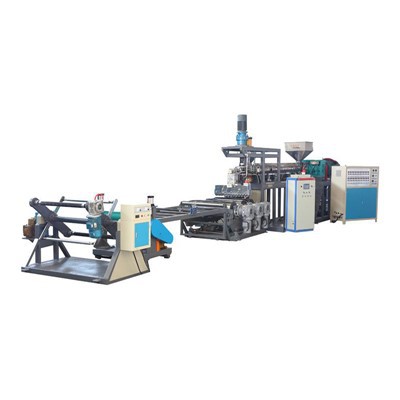
So, if you’re thinking about purchasing a molding machine or upgrading your existing one, don’t hesitate to reach out. I’m here to help you find the right machine with the best temperature sensing technology for your specific needs. Whether you’re a small – scale manufacturer or a large – scale industrial operation, we’ve got solutions that can work for you.
Sheet Extruder References:
- "Molding Machine Technology Handbook"
- "Temperature Sensors: Principles and Applications"
Ruian Shuoguo Machinery Co., Ltd.
We’re well-known as one of the leading molding machine manufacturers and suppliers in China. Please rest assured to buy high quality molding machine made in China here from our factory. Good service and punctual delivery are available.
Address: No. 1, Hengjie, Linyanglinbei Village, Nanbin Sub-district, Ruian City
E-mail: 547221483@qq.com
WebSite: https://www.shuoguomachinery.com/
