As a provider of refractory kiln furniture, I’ve witnessed firsthand the profound impact that the emissivity of these crucial components has on heat transfer within a kiln. Emissivity, a measure of a material’s ability to emit thermal radiation, plays a pivotal role in determining how efficiently heat is transferred throughout the kiln environment. In this blog, I’ll delve into the science behind emissivity, explore its implications for kiln operation, and discuss how choosing the right refractory kiln furniture can optimize heat transfer and enhance overall performance. Refractory Kiln Furniture

Understanding Emissivity
Before we dive into the specifics of how emissivity affects heat transfer in a kiln, let’s first understand what emissivity is and how it’s measured. Emissivity is a dimensionless quantity that ranges from 0 to 1, with 0 representing a perfect reflector (a material that does not emit any thermal radiation) and 1 representing a perfect emitter (a material that emits thermal radiation at the maximum possible rate).
The emissivity of a material is influenced by several factors, including its composition, surface finish, and temperature. For example, materials with a rough or porous surface tend to have higher emissivity than those with a smooth surface, as the rough surface provides more area for thermal radiation to be emitted. Similarly, materials with a high carbon content or other infrared – absorbing elements generally have higher emissivity.
The Role of Emissivity in Heat Transfer
Heat transfer in a kiln occurs through three main mechanisms: conduction, convection, and radiation. While conduction and convection play important roles, radiation is often the dominant mode of heat transfer at high temperatures, such as those found in kilns used for firing ceramics, glass, or metals.
In a kiln, the refractory kiln furniture acts as a medium for heat transfer. The emissivity of the kiln furniture determines how effectively it can absorb and emit thermal radiation. A kiln furniture with high emissivity will absorb more heat from the heat source (such as burners or electric heating elements) and radiate it more efficiently to the products being fired. This results in more uniform heating of the products, reducing the risk of thermal gradients and improving the quality of the final product.
Conversely, kiln furniture with low emissivity will absorb and emit heat less efficiently. This can lead to uneven heating, longer firing times, and increased energy consumption. In extreme cases, it can even cause thermal stress on the products being fired, leading to cracking or other defects.
Practical Implications for Kiln Operation
The emissivity of refractory kiln furniture has several practical implications for kiln operation. Here are some key points to consider:
Energy Efficiency
High – emissivity kiln furniture can significantly improve energy efficiency in a kiln. By absorbing and radiating heat more effectively, it reduces the amount of energy required to reach and maintain the desired firing temperature. This not only saves on energy costs but also reduces the environmental impact of the kiln operation.
Product Quality
Uniform heating is essential for achieving high – quality products. Kiln furniture with high emissivity helps to ensure that the products are heated evenly, reducing the risk of thermal gradients and improving the consistency of the final product. This is particularly important for applications where precise temperature control is required, such as in the production of high – performance ceramics or glass.
Firing Time
Kiln furniture with high emissivity can also reduce firing times. Since it transfers heat more efficiently, the products can reach the desired temperature more quickly, allowing for shorter firing cycles. This can increase productivity and reduce the overall cost of production.
Choosing the Right Refractory Kiln Furniture
As a refractory kiln furniture supplier, I understand the importance of choosing the right kiln furniture for your specific application. When selecting kiln furniture, consider the following factors related to emissivity:
Material Composition
Different materials have different emissivity values. For example, silicon carbide and graphite are known for their high emissivity, making them ideal for applications where efficient heat transfer is required. On the other hand, materials like alumina and magnesia may have lower emissivity but offer other advantages such as high temperature resistance and chemical stability.
Surface Finish
As mentioned earlier, the surface finish of the kiln furniture can affect its emissivity. A rough or porous surface will generally have higher emissivity than a smooth surface. When choosing kiln furniture, consider the surface finish and how it will impact heat transfer.
Temperature Range
The emissivity of a material can change with temperature. Make sure to choose kiln furniture that has a high emissivity within the temperature range of your kiln operation. This will ensure that the kiln furniture performs optimally throughout the firing process.
Case Studies
To illustrate the impact of emissivity on heat transfer in a kiln, let’s look at a couple of case studies:
Case Study 1: Ceramic Firing
A ceramic manufacturer was experiencing uneven heating in their kiln, resulting in inconsistent product quality. After switching to high – emissivity kiln furniture made of silicon carbide, they noticed a significant improvement in the uniformity of heating. The products were fired more evenly, and the overall quality of the ceramics improved. Additionally, the firing time was reduced by 20%, leading to increased productivity and cost savings.
Case Study 2: Glass Melting
A glass manufacturing plant was struggling with high energy consumption in their kiln. By replacing their low – emissivity kiln furniture with high – emissivity graphite kiln furniture, they were able to reduce energy consumption by 15%. The high – emissivity kiln furniture absorbed and radiated heat more efficiently, allowing the glass to reach the melting point more quickly and with less energy.
Conclusion
In conclusion, the emissivity of refractory kiln furniture plays a crucial role in heat transfer within a kiln. By understanding the science behind emissivity and choosing the right kiln furniture, you can optimize heat transfer, improve energy efficiency, enhance product quality, and reduce firing times.
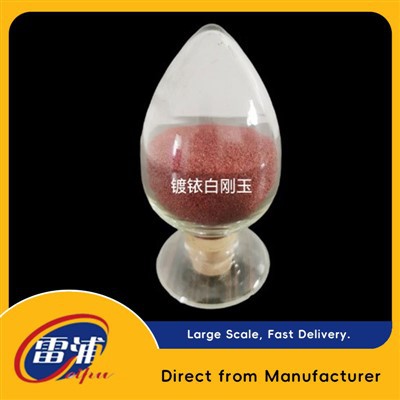
As a refractory kiln furniture supplier, I’m committed to providing high – quality products that meet the specific needs of your kiln operation. Whether you’re looking for high – emissivity kiln furniture for improved heat transfer or kiln furniture with other specialized properties, I can help you find the right solution.
Calcined Alumina If you’re interested in learning more about our refractory kiln furniture or would like to discuss your specific requirements, please don’t hesitate to contact me. I’m here to assist you in achieving the best possible performance from your kiln.
References
- Incropera, F. P., & DeWitt, D. P. (2002). Fundamentals of Heat and Mass Transfer. John Wiley & Sons.
- Kreith, F., & Bohn, M. S. (2010). Principles of Heat Transfer. Cengage Learning.
- Schneider, P. J. (1993). Conduction Heat Transfer. Addison – Wesley.
Shandong Leipu New Material Technology Co., Ltd.
With abundant experience, we are one of the most professional refractory kiln furniture manufacturers and suppliers in China. Please feel free to buy high quality refractory kiln furniture for sale here and get quotation from our factory. For price consultation, contact us.
Address: Advanced Ceramic Industry Innovation Park, No. 125, Liuquan Road, High-tech Zone, Zibo City, Shandong Province
E-mail: 2330389088@qq.com
WebSite: https://www.sdleipu.com/
