When I started my career in automotive rubber products, I’ll admit I didn’t think much about cleaning the stuff beyond a quick wipe. I spent years as a supplier, shipping door seals, window gaskets, weatherstripping, and rubber floor mats to dealerships and repair shops across the country, and I saw firsthand what happens when these parts get neglected: seals crack, gaskets leak, and that flexible rubber turns brittle long before its intended lifespan. Over time, I learned that cleaning automotive rubber isn’t just about keeping a car’s interior looking good—it’s a matter of preserving function, extending the life of parts, and even protecting the value of a vehicle. Today, as someone who’s spent decades manufacturing and supplying these components, I want to break down how to clean them properly, share what works and what doesn’t, and explain why a little consistent care can save you from expensive replacements down the line. Automotive Rubber Products
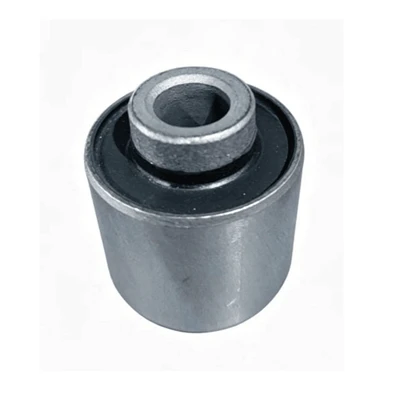
First, let’s start with why automotive rubber needs specific care. Most of the rubber we supply is EPDM (ethylene propylene diene monomer) or natural rubber, with a few silicone rubber parts mixed in for high-temperature applications like engine hoses. EPDM, which makes up 70% of the rubber seals we ship, is designed to resist UV rays, ozone, and moisture, but it’s not invincible. Dirt, road grime, salt, and even common interior cleaners can break down its molecular structure over time. Ozone, in particular, is a silent enemy—you might not notice it, but it’s present in car exhaust, industrial areas, and even the air, and it causes rubber to lose its flexibility. That’s why cleaning isn’t just about aesthetics; it’s about removing contaminants that accelerate ozone and UV damage.
The first rule of cleaning automotive rubber: never use harsh chemicals. I’ve seen too many mechanics or DIYers grab a strong all-purpose cleaner or glass cleaner to wipe down a rubber seal, thinking it’ll cut through grime fast. What happens next? The cleaner strips away the protective oils that keep rubber flexible, leaving it dry and prone to cracking. Glass cleaners, for example, contain ammonia, which breaks down EPDM rubber over repeated use. That’s a mistake I see again and again, and it’s one of the top reasons we get orders for replacement seals for 5-year-old cars that should still have another 10 years of life.
So what should you use instead? Start with the basics: a mild, pH-neutral cleaner. We recommend a 50/50 mix of warm water and a gentle dish soap (the kind for hand washing dishes, not the heavy-duty degreaser for pots and pans) for light dirt like dust or minor smudges. For heavier grime—like road salt from winter roads, tree sap, or old car wax buildup—add a small amount of a silicone-safe rubber cleaner. Avoid any products labeled “acidic” or “alkaline,” as extremes on the pH scale damage rubber. Silicone-safe is key, too; some rubber cleaners contain additives that react negatively with the compounds in the rubber we supply, leading to discoloration or brittleness.
Let’s walk through the step-by-step process, starting with the easiest parts: rubber floor mats. These are the most exposed to dirt, mud, and spills, so they need regular cleaning to stay effective. First, remove the mats from the car and shake off loose debris outside—do this before bringing them inside, so you don’t track dirt into your house. If the mat is really dirty, use a stiff-bristled brush (not a metal brush, which can scratch and tear the rubber) to scrub away caked-on mud. For spills like coffee, oil, or windshield washer fluid, apply a small amount of your soapy water mix to the stain, let it sit for 5 minutes, then scrub gently. Rinse the mats with a hose or bucket of warm water, then hang them to air dry completely. Never leave them in direct sunlight to dry—UV rays can make rubber hard and crack, even after cleaning.
Next, the more delicate parts: door seals, window gaskets, and trunk weatherstripping. These are the parts that keep water, wind, and noise out, so you have to be careful not to damage them. Start by wiping loose dirt away with a damp microfiber cloth—avoid pressing too hard, which can push dirt into the gaps in the seal. For dirt or grime stuck in the grooves of the seal, use a soft-bristled toothbrush (an old one works perfectly) to gently scrub the area. The toothbrush’s small size lets you get into tight spaces without damaging the rubber’s surface. For tough spots like tree sap or bug residue, apply a small amount of your pH-neutral cleaner, let it sit for 2 minutes, then wipe away with a microfiber cloth. Once the seal is clean, dry it thoroughly—moisture trapped in the seal can lead to mold, which breaks down rubber over time.
A common question we get from customers: can I use a pressure washer to clean rubber parts? It’s tempting, especially for floor mats or undercarriage hoses, but we don’t recommend it. Pressure washers produce too much force, which can push water into the seal’s inner layers, damage the adhesive that holds the seal in place, or even tear thin rubber parts like window gaskets. If you do use a pressure washer, keep the nozzle at least 12 inches away from the rubber, use the lowest pressure setting, and avoid directing the spray directly at seal edges or adhesive joints.
Once you’ve cleaned the rubber, the most important step is conditioning. This is something a lot of people skip, but it’s what keeps rubber flexible and protected. Our team tests dozens of conditioners every year, and we recommend a product specifically made for automotive rubber, preferably one that contains a small amount of silicone or a plant-based oil (like jojoba oil, which is gentle on EPDM). Avoid conditioners that leave a greasy, heavy residue—those attract more dirt over time. Instead, apply a thin, even layer with a microfiber cloth, working it into the rubber’s surface, especially the grooves in seals. The conditioner replenishes the natural oils that the cleaner removed, creating a barrier against UV rays, ozone, and dirt. How often should you condition? For high-exposure parts like door seals or floor mats, every 3 to 6 months. For parts under the hood, like radiator hoses, every 6 to 12 months is enough.
We’ve seen what happens when conditioning is neglected. A customer once brought a 7-year-old SUV into our shop, complaining that the door seals were cracking and leaking water when it rained. When we checked, the seals were completely dry, with no trace of conditioner. The customer admitted he’d only wiped them down once a year, using a generic interior cleaner from the grocery store. We replaced the seals, but we also warned him that without consistent cleaning and conditioning, the new seals would have the same problem in another 2 or 3 years. That’s the cost of cutting corners—saving a few dollars on a cheap cleaner leads to hundreds in replacement costs.
Now, let’s talk about what to avoid at all costs. First, don’t use engine degreaser or brake cleaner on rubber parts. These are designed to dissolve heavy grease and oil, but they’re far too harsh for automotive rubber, and they’ll eat away at the material’s protective layer in minutes. I’ve had suppliers tell me about cars where someone sprayed brake cleaner on a rubber hose, and the hose cracked and burst on the highway, causing a breakdown. That’s not an exaggeration—those cleaners are corrosive to rubber. Second, don’t use petroleum-based products like Vaseline or motor oil to condition rubber. They might make the rubber feel soft at first, but they break down EPDM over time, leading to brittleness and cracking. Third, never leave rubber parts wet for an extended period. Whether it’s a floor mat or a door seal, water trapped against the rubber can cause mold and mildew, which weakens the material and creates a foul odor in the car.
If you’re dealing with older rubber parts that are already starting to crack, is there a way to restore them? We get this question a lot, especially from classic car owners. For minor surface cracks, a good rubber conditioner can help slow down further damage, but it won’t reverse existing cracks. For more severe cracking, the only solution is to replace the part. That’s why consistent cleaning and conditioning from the start is so important—it’s much cheaper to keep rubber in good shape than to replace it.
As a supplier, we see the demand for quality automotive rubber products growing every year, and a big part of that demand comes from customers who want their parts to last. That’s why we often share these cleaning tips with our clients, from independent repair shops to large fleet companies. A fleet truck that keeps its rubber seals clean and conditioned doesn’t just last longer—it saves the company thousands in replacement costs over the life of the vehicle.

If you’re in the market for new automotive rubber products, or if you have questions about cleaning or maintaining the parts you already have, our team is here to help. We’ve been manufacturing and supplying high-quality rubber seals, gaskets, and floor mats for years, and we can provide guidance on the best cleaning and conditioning products for your specific needs. Whether you’re a car owner looking to take better care of your vehicle, or a business in need of reliable rubber components, we’re ready to discuss how we can work together. Don’t hesitate to reach out to our team to learn more about our products and how to keep your automotive rubber parts in top condition.
Automotive Rubber Products References:
- Society of Automotive Engineers (SAE) International. "Performance Requirements for Automotive EPDM Rubber Seals." SAE Standard J200, 2019.
- Rubber Manufacturers Association (RMA). "Care and Maintenance of Automotive Rubber Components." RMA Technical Bulletin, 2021.
- automotive Rubber and Plastics Association (ARPA). "Guidelines for Cleaning and Conditioning Automotive Rubber Products." ARPA Best Practices, 2020.
- The Tire and Rubber Association of Canada (TRAC). "UV and Ozone Effects on Automotive Rubber: Prevention Through Maintenance." TRAC Research Report, 2018.
Anhui Denaifu Auto Shock Tech Co., Ltd.
As one of the most professional automotive rubber products manufacturers and suppliers in China, our products have good reputation in the market. Please rest assured to buy bulk high quality automotive rubber products for sale here from our factory. Good service and punctual delivery are available.
Address: No.88 Qingshan Road, Helixi Development Zone, Ningguo City, Anhui Province
E-mail: ngzx_wxm@126.com
WebSite: https://www.denaifuauto.com/
