Hey everyone, if you’re tackling a bathroom reno right now (or building a new place from scratch), let’s be real—most of us sleep on picking the right bathroom door. I see it all the time with clients: they grab a random interior door off the big box store shelf because it’s cheap and matches their hallway, only to deal with warping, mold, or awkward gaps a few months later. As an interior door supplier who’s worked with hundreds of homeowners and contractors on bathroom projects, I’m here to break down exactly what to look for so you don’t make the same mistakes. No fancy jargon, just straight-up stuff that actually works. Inertior Door
First off, let’s start with the big one: material. Not all interior doors are created equal, especially when they’re dealing with a bathroom’s unique conditions—constant moisture from showers, fluctuating humidity, occasional water splashes. A solid pine door that works great for a bedroom? It’s gonna swell like a sponge after a year in a steamy bathroom. Trust me, I’ve seen it so many times. So what’s actually worth it?
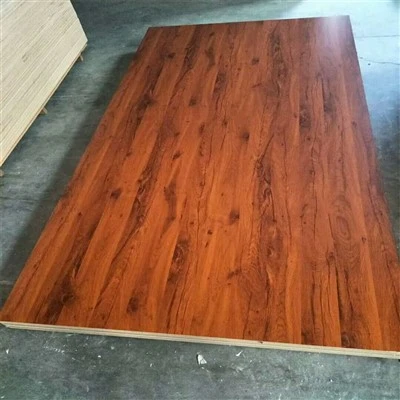
Fiberglass is top of the line for bathrooms these days, and for good reason. It’s 100% moisture-resistant, doesn’t warp, doesn’t rot, and even resists mold and mildew. I’ve had fiberglass doors installed in high-humidity guest bathrooms for 5+ years with zero issues. The best part? Modern fiberglass doors come in all kinds of styles—from smooth, flat panels that look sleek to wood-grain textures that mimic real oak or cherry, so you don’t have to sacrifice looks for durability. Yeah, it’s a little pricier than basic wood doors, but think about it: no repairs, no replacement down the line. That’s way more cost-effective than buying two cheap ones in three years.
Then there’s primed wood doors with a solid core, but wait—only if you treat them right. I get it, wood doors feel warm and look great in traditional homes, but they need a heavy-duty, waterproof sealant on both sides and the edges. If you just slap a coat of paint on it and call it a day, the edges (where the wood is exposed when you cut the door to size) will soak up moisture fast. Solid core is non-negotiable here, too—hollow core doors are basically just a thin shell, so they’ll warp almost immediately. If you go the wood route, make sure to get one rated for high-moisture areas. A lot of suppliers just label them “interior” and skip that rating, so don’t be afraid to ask.
And let’s talk about the ones to skip: hollow core, particle board, and MDF doors. Particle board swells like crazy when it gets wet, and it breaks down into a crumbly mess. MDF might seem like a good middle ground for painting, but it absorbs moisture just as bad as particle board, especially the edges. Save those for closets or guest rooms, not bathrooms.
Next up, size and fit. This is another thing people mess up. Bathrooms are often small, so you need a door that doesn’t make the space feel cramped. But also, you need the right gap around the door for air flow. Wait, why? Because if your bathroom doesn’t have a window (or even if it does), trapped moisture is the enemy. A door that fits too tightly against the frame will trap humidity inside, leading to mold on the door, frame, or even your walls. How big of a gap? Aim for 1/8 inch at the bottom (yes, some people leave a little space there on purpose) and 1/16 inch along the sides and top. That’s enough air to circulate without letting odors from the bathroom seep out into the hallway. Also, think about the door swing. If your bathroom is tiny, a swinging door that opens inward will eat up space inside the room. Consider a pocket door (which slides into the wall) or a door that swings outward—way better for small spaces. I’ve installed a ton of pocket doors for bathrooms in apartments, and they’re a total game-changer for saving space. Just make sure your walls are thick enough for a pocket door—most standard interior walls work, but older homes with thinner walls might need a little modification.
Hardware is another big one that’s easy to overlook. Most people grab any old doorknob or latch for their bathroom, but it needs to hold up to moisture too. First, finish: brass, stainless steel, or nickel are way better than cheap plastic. Plastic hardware will corrode and turn green around the edges after a few months of steam, and it just looks gross. Stainless steel is super durable, great for modern bathrooms, while brass adds a nice warm touch for traditional spaces. Also, get a privacy latch—duh, that’s why it’s a bathroom door. Some budget doors come with a basic lock that’s tricky to use, so make sure the latch turns easily and has a way to unlock it from the outside in case someone gets locked in (we’ve all been there, right? Embarrassing). Pro tip: if you go with a pocket door, get a privacy mechanism designed specifically for pocket doors—regular latches won’t work, and you don’t want fumbling with a loose lock in the middle of the night.
Style, obviously, matters too. Your bathroom door doesn’t have to be boring just because it’s functional. Now, I know some people want it to blend in with their hallway doors, and that’s fine. If your hallway doors are wood, a fiberglass door with a wood-grain texture will match almost perfectly—no one will tell the difference, even up close. If you want it to stand out, go for a bold color or a glass panel. Wait, glass panels! Are they a good idea for bathrooms? It depends. If it’s a private master bathroom, a frosted or etched glass panel is great—it lets light in, makes the small bathroom feel bigger, and still gives privacy. Clear glass is only okay if your bathroom is super private (like no windows overlooking a neighbor’s yard) or if you’re using a curtain to cover it. Avoid small glass panels that are easy to break—go for a solid, tempered glass panel if you do glass. And for the love of all that’s holy, skip the decorative glass that has little nooks and crannies—they trap soap scum and mold, and cleaning them is a nightmare. I’ve had so many clients return those because they can’t keep up with the cleaning.
Maintenance, let’s be real—no one wants a door that’s a chore to keep up with. Fiberglass doors are basically maintenance-free: just wipe them down with a damp cloth once a month, and they’re good. Wood doors? You’ll need to re-seal or re-paint them every 3-5 years, depending on how steamy your bathroom is. MDF and particle board doors? You’re gonna be replacing them soon, so just save the time and money and skip them. Another maintenance tip: if you notice your door starting to stick or warp a little, don’t wait to fix it. Sometimes a quick trim of the bottom edge (if it’s wood) or a adjustment to the hinges will fix it before it gets worse. If it’s warped from moisture, though, it’s probably time to swap it out for a new one.
Wait, let’s add a quick common mistake I see all the time: buying a pre-hung door and assuming it’ll work for your bathroom. Pre-hung doors are great, but they’re usually made for standard bedrooms. Bathrooms need that extra gap for air flow, so you might have to adjust the frame or trim the door a little. That’s not a big deal, but don’t just install it and close the door for a week—check for gaps, make sure it swings easily, and test how the air flows. If it feels super stuffy after a shower, you probably need a bigger gap at the bottom.
Another thing: noise. Bathrooms can be loud, especially if you have kids or live in an apartment where neighbors can hear. If noise is a concern, go for a solid core door (fiberglass or solid wood) instead of a hollow core. Solid core doors block way more sound, so you won’t have to worry about someone hearing your morning routine. I’ve had clients tell me that switching to a solid core bathroom door made such a difference for their apartment’s privacy.
Okay, let’s wrap this up with a quick cheat sheet so you don’t have to remember all this: 1. Pick fiberglass (or treated solid wood) for moisture resistance, skip hollow/particle/MDF. 2. Leave 1/8 inch at the bottom, 1/16 on sides/top for air flow. 3. Use durable metal hardware, get a privacy latch. 4. Style-wise, match your hallway doors or go for frosted glass for light and privacy. 5. Skip decorative glass that’s hard to clean.
At the end of the day, your bathroom door is one of those small details that makes a huge difference in how your space feels and how long it lasts. I’ve been an interior door supplier for years, and I can’t tell you how many clients come back saying they should’ve invested in a better bathroom door first instead of trying to save a buck. If you’re ready to pick one that fits your space, send me a message to talk through your specific needs—whether you’re renovating a tiny apartment bathroom, building a custom home, or just replacing a warped old door. I can help you find something that’s functional, fits your style, and won’t give you headaches down the line.
When you’re shopping around for doors, make sure to double-check those moisture ratings, ask about the material’s durability, and don’t sleep on the gap size. Those are the little things that will save you so much stress later. Trust me, I’ve seen every mistake there is, so I’m here to help you avoid them. Happy renovating!
Melamine Board References:
- National Association of Home Builders. (2022). Bath Remodeling Best Practices: Moisture Control for Interior Spaces.
- Door and Hardware Institute. (2021). Interior Door Selection Guide for High-Moisture Environments.
- U.S. Department of Energy. (2020). Home Ventilation Tips for Reducing Humidity in Small Bathrooms.
Lisen Wood Industrial Shouguang Co., Ltd.
Lisen Wood Industrial Shouguang Co., Ltd. is one of the most professional inertior door manufacturers and suppliers in China, featured by quality products and low price. Please rest assured to buy discount inertior door from our factory. Welcome to contact us for quotation and free sample.
Address: Nongsheng road, shouguang,shandong province, china
E-mail: liuzhenxi@lisenboard.com
WebSite: https://www.sglswood.com/
