Medium-density fiberboard (MDF) has emerged as a popular choice for flooring in recent years due to its affordability, consistency, and workability. As a leading MDF supplier, I’ve encountered numerous questions from customers regarding the use of MDF for flooring. This blog aims to outline the key considerations when opting for MDF as a flooring material. MDF

1. Material Quality and Composition
One of the primary considerations when using MDF for flooring is the quality of the material itself. MDF is made by breaking down wood residuals into wood fibers, combining them with wax and a resin binder, and then forming panels under high temperature and pressure. The quality of these raw materials and the manufacturing process significantly impact the performance of the MDF.
High – quality MDF should have a uniform density throughout the panel. Variations in density can lead to unevenness in the flooring surface, which may cause problems such as squeaking or premature wear. Additionally, the type of resin used in the MDF can affect its durability and environmental impact. Formaldehyde – based resins have been commonly used in the past, but due to health concerns associated with formaldehyde emissions, many manufacturers now offer low – or zero – formaldehyde MDF options. As a supplier, I always ensure that the MDF we provide meets strict quality standards and has low formaldehyde emissions, which is crucial for the health and safety of end – users.
2. Moisture Resistance
Moisture is one of the biggest enemies of MDF flooring. Unlike solid wood or some engineered wood products, MDF is highly susceptible to water damage. When exposed to moisture, MDF can swell, warp, and lose its structural integrity. This is a major consideration, especially in areas prone to high humidity or potential water spills, such as kitchens, bathrooms, and basements.
To mitigate the risk of moisture damage, there are some moisture – resistant MDF options available. These are often treated with special chemicals during the manufacturing process to make them more resistant to water penetration. However, it’s important to note that even moisture – resistant MDF is not completely waterproof. Proper installation and maintenance are still essential. For example, using a moisture barrier during installation can help prevent moisture from seeping up from the subfloor. Additionally, regular cleaning and prompt drying of any spills can significantly extend the lifespan of MDF flooring.
3. Installation Requirements
The installation process of MDF flooring is another crucial aspect to consider. MDF is a relatively soft material compared to hardwood, and it requires careful handling during installation to avoid damage. The subfloor also needs to be properly prepared before installing MDF flooring. It should be clean, dry, and level to ensure a smooth and even installation.
There are different methods of installing MDF flooring, such as floating installation, glue – down installation, and nail – down installation. The choice of installation method depends on various factors, including the type of MDF, the subfloor material, and the intended use of the space. For example, floating installation is a popular option for MDF flooring because it is relatively easy and quick to install. However, it may not be suitable for areas with heavy foot traffic or where stability is a major concern.
As a supplier, I can provide detailed installation guides and support to my customers. We also recommend hiring a professional installer, especially for large – scale projects, to ensure that the flooring is installed correctly and meets industry standards.
4. Durability and Wear Resistance
The durability of MDF flooring is an important consideration, especially in high – traffic areas. MDF is not as hard as hardwood, so it may be more prone to scratches and dents. However, the wear resistance of MDF can be improved through various means.
Some MDF flooring products come with a protective surface layer, such as a laminate or a UV – cured finish. These surface treatments can enhance the wear resistance of the flooring and make it more suitable for areas with moderate to high foot traffic. Additionally, proper maintenance, such as using felt pads on furniture legs and avoiding dragging heavy objects across the floor, can help minimize scratches and wear.
It’s important to manage customer expectations regarding the durability of MDF flooring. While it can provide a cost – effective and aesthetically pleasing flooring solution for many applications, it may not be the best choice for extremely high – traffic commercial spaces or areas where heavy machinery is used.
5. Aesthetic Appeal
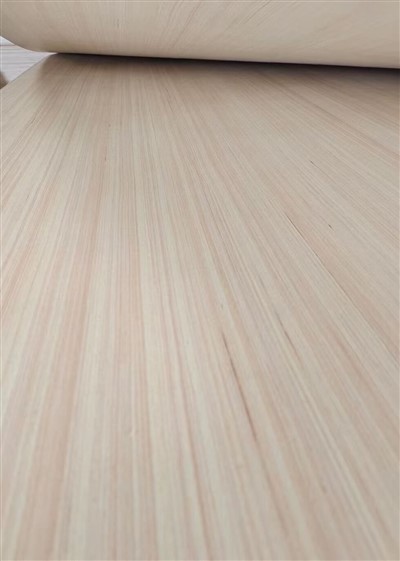
MDF flooring offers a wide range of aesthetic options. It can be finished in various ways to mimic the look of real wood, stone, or other materials. This makes it a versatile choice for different interior design styles.
For a natural wood look, MDF can be stained or painted to match any color scheme. It can also be printed with high – resolution wood grain patterns to create a realistic appearance. Some MDF flooring products even have embossed surfaces that add texture and depth, further enhancing the visual appeal.
However, it’s essential to consider the long – term color stability of the finish. UV light can cause fading over time, especially if the flooring is exposed to direct sunlight. Choosing a high – quality finish with good UV resistance can help maintain the aesthetic appeal of the MDF flooring for a longer period.
6. Cost – Effectiveness
One of the main advantages of using MDF for flooring is its cost – effectiveness. Compared to solid wood or high – end engineered wood flooring, MDF is generally more affordable. This makes it an attractive option for budget – conscious homeowners and commercial projects.
The cost savings can be significant, especially for large – scale flooring installations. However, it’s important to consider the overall cost, including installation, maintenance, and potential replacement costs. While MDF may be cheaper upfront, it may require more frequent replacement in high – traffic areas or if not properly maintained.
As a supplier, I can offer competitive pricing on MDF flooring products. I also provide value – added services, such as technical support and installation advice, to help my customers make the most cost – effective decisions.
7. Environmental Considerations
In today’s environmentally conscious world, the environmental impact of flooring materials is an important consideration. MDF is often considered a more sustainable option compared to some other flooring materials because it is made from recycled wood fibers.
However, as mentioned earlier, the type of resin used in MDF can have a significant impact on its environmental friendliness. Formaldehyde emissions from MDF can be a concern, especially in indoor environments. Choosing low – or zero – formaldehyde MDF can help reduce the environmental and health risks associated with formaldehyde exposure.
Additionally, some MDF manufacturers use sustainable forestry practices to source their wood fibers. By choosing MDF products from these manufacturers, customers can contribute to the conservation of forests and the promotion of sustainable development.
Conclusion
Using MDF for flooring can be a viable option, but it requires careful consideration of several factors, including material quality, moisture resistance, installation requirements, durability, aesthetic appeal, cost – effectiveness, and environmental impact. As a trusted MDF supplier, I am committed to providing high – quality products and comprehensive support to help my customers make informed decisions.
Melamine MDF If you are considering using MDF for your next flooring project, I encourage you to reach out to me. I can provide you with detailed product information, samples, and pricing. Let’s work together to find the perfect MDF flooring solution for your needs.
References
- ASTM International. (Year). Standard test methods for evaluating the properties of medium – density fiberboard (MDF).
- National Wood Flooring Association. (Year). Installation guidelines for various flooring materials, including MDF.
- Environmental Protection Agency. (Year). Information on formaldehyde emissions from wood products.
Linyi Dingyu Import&Export Co., Ltd.
As one of the leading MDF manufacturers in China, we warmly welcome you to buy high-grade MDF for sale here and get free sample from our factory. All customized products are with high quality and low price.
Address: Room 2712, 20-2, Linyi Center, Shanghai Road Lanshan Beicheng District, Linyi City, Shandong Province, China.
E-mail: kevinzhang@dingyuwood.com
WebSite: https://www.lydingyuwood.com/
