Hey everyone, it’s Jake here from your go-to EN Corten Steel supplier, and today I’m answering one of the most common questions I get this time of year—especially as the temps drop and folks start planning outdoor projects: Can EN Corten Steel actually hold up in cold climates? Let’s cut through the confusion, skip the overly technical jargon, and get real about what works when the thermometer dips below freezing, plus the stuff you actually need to know if you’re considering using it for fences, planters, retaining walls, or whatever else you’re building this winter or next spring. EN Corten Steel
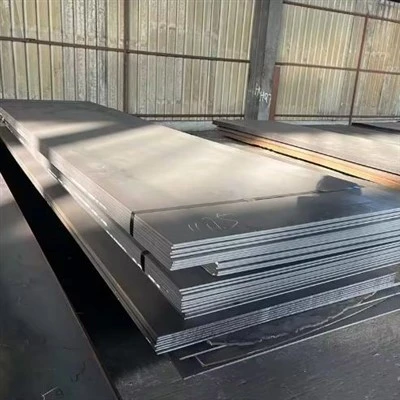
First off, let’s recap what EN Corten Steel even is, in plain terms (no textbook definitions here). Corten, short for “corrosion-resistant tensile steel,” is a high-strength structural steel that forms that iconic rust-colored patina over time—like, that weathered, warm bronze look everyone obsesses over for outdoor stuff. Unlike regular steel, it’s alloyed with copper, chromium, nickel, and phosphorus, which react with oxygen and moisture to create that protective layer. That’s supposed to keep it from rusting through, right? But when I talk to customers in places like Minneapolis, Toronto, or even upstate New York, they’ll say, “Wait, I thought patina only forms in mild, damp weather? What about -20°F temps and foot of snow piling on?”
Here’s the truth straight from my team who tests every batch of EN Corten before it leaves our warehouse: Yes, you can absolutely use EN Corten Steel in cold climates. But it’s not set-it-and-forget-it the way some social media posts make it sound. The cold doesn’t break the patina process—wait, no, actually, the cold can actually speed up the initial patina forming in some cases? Let me explain. When temperatures drop, moisture (like melting snow, frost, even that random January thaw) sits on the surface of the steel longer than it would in dry, 70°F summer heat. That extra time with moisture reacting with the alloy actually helps the protective oxide layer form faster, sealing the steel so it doesn’t corrode deeper. I’ve had customers in Chicago put up EN Corten planter fences three years ago, and those things look exactly the same as when they installed them—no flaking, no pitting, just that nice, even rust patina.
But hold on, there’s a big caveat here: The key is getting that initial patina right before you expose it to super harsh cold and heavy use. If you just uncrated the steel, drop it outside in November, and think “it’ll rust on its own,” you’re gonna run into issues. Wait, what kind of issues? I’ve seen projects where a guy in Detroit did that with a custom fire pit, and by March, there were little white rust spots (called “white rust”) popping up because the patina didn’t fully set. Why did that happen? Because he didn’t prepare the steel before install. The prep for cold climates is actually a little simpler than for mild ones, honestly. Here’s what we recommend to every customer ordering EN Corten for below-freezing areas: First, give it a “priming patina” in a controlled, well-ventilated space before hanging it or setting it up outside. How? You can use a 10% vinegar solution, spray it on, let it sit for 24 hours, rinse it, then let it air dry completely. Or you can leave it outside for 4-6 weeks, but if you live in an area that gets snow before then, the salt on roads (oh, right, road salt is a huge factor most people miss) will mess with that. Wait, road salt—let’s talk about that, because it’s the real enemy in cold climates, not the cold itself.
A lot of people ask: Is road salt bad for EN Corten Steel? Short answer: If it sits on the steel long-term, yeah, it can disrupt that protective patina. Road salt is mostly sodium chloride, and when it melts and seeps into snow drifts against your fence or retaining wall, it traps moisture against the steel, which can break down the oxide layer over time. But here’s the fix that works for every customer of ours who deals with icy, salt-heavy winters: We tell them to add a simple, breathable sealant once the patina is fully set (usually 6-12 months after install). Not a glossy, paint-like sealant—those will crack when the steel expands and contracts with extreme temps (remember, steel expands in heat, shrinks in cold, rapid temperature swings like 50°F one day, 10°F the next can cause regular paint to peel). We use a UV-resistant, matte penetrating sealant that lets the steel “breathe” so moisture can’t get trapped, but keeps road salt and excess moisture off the patina. I’ve got a customer in Buffalo who’s had a 20-foot EN Corten retaining wall for 7 years, no issues, thanks to that sealant.
Another question I get all the time: Does cold affect the structural strength of EN Corten Steel? I know that’s a big one if you’re using it for load-bearing stuff—like bridge components, retaining walls that hold back dirt, large planters. Let’s be clear: EN Corten Steel is designed for extreme temperature changes. Unlike regular steel, which gets brittle when temps drop below like -20°F (that’s called cold brittleness, and it’s a real problem for structural steel), EN Corten’s alloying elements prevent that brittleness. We supply EN Corten for a bunch of small structural projects in northern Minnesota, where winter temps regularly hit -30°F, and we’ve never had a structural failure from cold-related brittleness. The key here is making sure you order the right grade of EN Corten for structural use—we offer Grade A and Grade B EN Corten, and Grade B is specifically formulated for applications in cold climates because it has extra alloying to resist that brittleness. I always tell customers: If it’s a load-bearing project, don’t skimp on the Grade B, it’s worth the extra 5% cost to know your project is safe.
Wait, let’s talk about real-world examples, because that’s what matters, not just specs. Last year, we shipped a ton of EN Corten panels to a city in Ottawa for a new public park. The park’s designers wanted benches and a border around a winter ice skating rink. Let’s be real—ice rinks mean constant moisture, snow, and that road salt used to keep the sidewalks clear. I checked in with the park maintenance team this summer, and they said the EN Corten stuff is holding up way better than the galvanized steel they used for the skate rental shed. No rust holes, no flaking patina, just that uniform rust color. Another example: A customer in Alaska ordered custom EN Corten planters for their restaurant patio in Anchorage. They installed them in October 2022, and by the time summer hit 2023, the patina was fully set, and those planters have withstood temps down to -15°F, plus the seasonal rain and snow. No issues, no leaks, just looks great.
But let’s not sugarcoat the challenges—because if you do it wrong, you can get problems. The biggest mistake people make in cold climates is not accounting for moisture drainage. If you have a planter made of EN Corten, and the bottom has no drainage holes, water sits inside all winter, freezes, expands, and can cause small cracks in the steel before the patina is fully set. That’s not a flaw in EN Corten, that’s a bad design. Another mistake: Installing EN Corten right up against the ground or snow piles. If it’s touching wet dirt or snow that has road salt, that salt leaches into the steel’s surface and can slow the patina formation or cause discoloration. The fix for that is simple: Leave a 2-inch gap between the bottom of your EN Corten structure and the ground, or use small concrete spacers to lift it off the soil.
Wait, what about maintenance? A lot of people buy Corten because they think “zero maintenance,” which is partially true, but in cold climates, you do have a tiny bit of upkeep that takes 5 minutes a year. Once the patina is fully set, all you need to do is hose it off once a year to get rid of any built-up salt or dirt. No sanding, no repainting, no weird chemicals. We had a customer in Montreal who tried to power wash his EN Corten fence once a year, and he accidentally scratched a small section. But guess what? That scratched section rusted right over in 3 months of spring and summer, no touch-up needed. That’s the beauty of Corten—it self-repairs small scratches on its own, as long as the patina is already established.
Now, let’s address the elephant in the room: The myth that Corten can’t be used in cold climates because it’s “too soft” or cracks. That’s just not true for EN Corten, specifically. Regular Corten (sometimes called ASTM A36 steel) is a different product, and it does have issues with brittleness in extreme cold, but EN Corten is formulated for structural integrity in all climates, including sub-zero temperatures. I’ve worked with this stuff for 8 years, and I’ve never seen an EN Corten project fail due to cold weather, not even in places like northern Manitoba where winter lasts 6 months.
So, to wrap this up, let’s get to the key takeaways if you’re thinking about using EN Corten Steel in a cold climate: First, yes, it’s totally possible, and it’s a great choice if you want that unique, weathered look without the hassle of repainting every few years. Second, prep is key—prime the patina before installing, use Grade B EN Corten for structural projects, leave gaps away from ground and snow, and use a breathable sealant once the patina is set to protect against road salt. Third, avoid common mistakes like leaving standing water or not accounting for temperature expansion—steel moves, so when you’re installing large panels, leave a small gap between sections to prevent buckling in extreme heat or cold.
If you’re planning a project right now—whether it’s a backyard fence, a custom fire pit, a retaining wall, or something bigger—don’t guess about the right EN Corten for your climate. My team and I help customers all over cold-weather places pick the right grade, give them prep and maintenance tips tailored to below-freezing temps, and answer all their random questions about snow, salt, and everything in between. We don’t do fancy sales pitches, we just send you the right product and the info you need so your project looks good for decades.
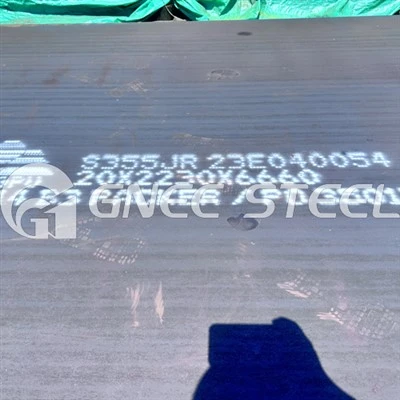
If you want to chat about your project, or get a sample of EN Corten to test in your climate, just reach out—we make it easy, no pressure, no hidden fees. Whether you’re in Minneapolis, Calgary, or any cold spot in between, we’ve got you covered.
References
EN High Strength Steel Plate ASTM International. (2020). Standard Specification for High-Strength Low-Alloy Structural Steel. ASTM A588/A588M-20.
Steel Construction Institute. (2019). Corten Steel in Cold Climates: Performance and Best Practices. SCI Publication P398.
North American Winter Road Salt Association. (2021). Effects of De-Icing Agents on Exterior Metals. NAWSA Technical Bulletin 2021-04.
Gnee Steel (Tianjin) Co., Ltd.
As one of the most professional en corten steel manufacturers and suppliers in China, we also support customized service with low price. We warmly welcome you to buy high quality en corten steel in stock here from our factory. If you have any enquiry about free sample, please feel free to email us.
Address: No.4-1114, Beichen Building, Beicang Town, Beichen District, Tianjin, China
E-mail: alloy@gneesteelgroup.com
WebSite: https://www.chinavesselplates.com/
