Can I use a Canbus cable for marine applications? Canbus Cable
As a Canbus cable supplier, I often get asked this question. The answer is not a straightforward yes or no, and it involves a detailed understanding of both Canbus technology and the unique requirements of marine environments.
Understanding Canbus Technology
Controller Area Network (CAN) is a robust vehicle bus standard designed to allow microcontrollers and devices to communicate with each other within a vehicle or a system without a host computer. Canbus cables are the physical medium that enables this communication. They are used in a wide range of applications, from automotive to industrial automation, due to their reliability, high – speed data transfer capabilities, and resistance to electrical interference.
In a Canbus system, data is transmitted in a differential signal, which means that two wires carry the same signal but with opposite polarities. This differential signaling helps to cancel out external electrical noise, making the communication more reliable. The Canbus protocol also has built – in error detection and correction mechanisms, ensuring that the data transmitted is accurate.
Marine Environment Requirements
The marine environment is harsh and presents several challenges for any electrical or electronic equipment. Saltwater is highly corrosive, and exposure to it can quickly damage the insulation and conductors of a cable. High humidity, extreme temperatures, and constant vibration are also common in marine settings.
In addition, marine applications often require compliance with strict safety and performance standards. For example, cables used on boats need to be flame – retardant to prevent the spread of fire in case of an electrical fault. They also need to be resistant to oil and fuel, as these substances are commonly found on boats.
Compatibility of Canbus Cables with Marine Applications
Advantages
- Reliability: Canbus cables are known for their reliability. The differential signaling and error – correction mechanisms make them less prone to data loss, which is crucial in marine applications where accurate data transmission can be a matter of safety. For example, in a marine navigation system, the data about the boat’s position, speed, and heading needs to be transmitted accurately to the control unit.
- High – speed Data Transfer: Many modern marine systems, such as advanced sonar and radar systems, require high – speed data transfer. Canbus cables can support data rates of up to 1 Mbps, which is sufficient for most marine applications.
- Electrical Noise Immunity: The marine environment is full of electrical noise from various sources, such as engines, generators, and other electrical equipment. Canbus cables’ differential signaling makes them highly resistant to this noise, ensuring stable communication.
Challenges
- Corrosion Resistance: Standard Canbus cables may not have sufficient corrosion resistance for long – term use in a marine environment. The insulation and conductors need to be protected from saltwater to prevent degradation. Specialized coatings or materials need to be used to enhance the cable’s corrosion resistance.
- Compliance with Marine Standards: Canbus cables used in marine applications need to comply with relevant marine standards, such as the International Electrotechnical Commission (IEC) standards for marine electrical installations. These standards ensure the safety and performance of the cables in a marine environment.
- Vibration and Mechanical Stress: Boats are subject to constant vibration and mechanical stress, which can cause the cables to break or become loose. The cable construction needs to be designed to withstand these conditions, for example, by using flexible and durable materials.
Customizing Canbus Cables for Marine Applications
As a Canbus cable supplier, we have the expertise to customize cables to meet the specific requirements of marine applications.
Material Selection
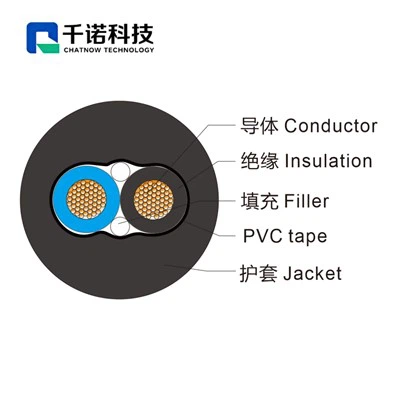
- Conductors: We use high – quality copper conductors that are tinned to enhance their corrosion resistance. Tinning creates a protective layer on the copper surface, preventing it from reacting with saltwater.
- Insulation: We select insulation materials that are resistant to moisture, oil, and fuel. For example, cross – linked polyethylene (XLPE) is a popular choice for marine cables due to its excellent electrical properties and resistance to environmental factors.
- Jacket: The outer jacket of the cable is made of a tough and flexible material, such as polyurethane. Polyurethane jackets are resistant to abrasion, UV radiation, and chemicals, making them suitable for the harsh marine environment.
Cable Design
- Flexibility: We design the cables to be flexible, allowing them to bend easily without damaging the conductors or insulation. This is important in marine applications where the cables need to be routed through tight spaces.
- Mechanical Protection: We can add additional mechanical protection to the cables, such as armor or braiding. Armor provides protection against physical damage, while braiding helps to reduce electromagnetic interference.
Case Studies
- Marine Navigation System: A boat manufacturer was experiencing problems with data transmission in their navigation system. The existing cables were prone to electrical interference and corrosion, resulting in inaccurate data. We provided them with customized Canbus cables that were designed to be highly resistant to electrical noise and corrosion. After installing our cables, the navigation system worked flawlessly, and the data transmission was accurate and reliable.
- Marine Monitoring System: A research vessel needed a reliable data transmission system for its monitoring equipment. The system required high – speed data transfer and resistance to the harsh marine environment. We developed a custom Canbus cable solution that met all their requirements. The cables were able to withstand the extreme temperatures, humidity, and saltwater exposure, ensuring continuous and accurate data transmission.
Conclusion
In conclusion, it is possible to use Canbus cables for marine applications, but it requires careful consideration of the unique challenges of the marine environment. As a Canbus cable supplier, we have the knowledge and experience to provide customized solutions that meet the specific needs of marine customers. Our cables are designed to be reliable, corrosion – resistant, and compliant with marine standards.
If you are looking for Canbus cables for your marine applications, we would be happy to discuss your requirements and provide you with a suitable solution. Please feel free to contact us to start a procurement discussion.
Spiral Cable References
- ISO 11898:2015 – Road vehicles — Controller area network (CAN)
- IEC 60092 – Electrical installations in ships
- SAE J1939 – Recommended practice for a serial control and communications vehicle network
Zhejiang Chatnow New Material Technology Co., Ltd.
Zhejiang Chatnow New Material Technology Co., Ltd. is well-known as one of the leading canbus cable manufacturers and suppliers in China, specialized in providing high quality customized service. Please feel free to wholesale high-grade canbus cable at competitive price from our factory.
Address: Building 12, No.9 Huajin Road, ZhouWangMiao Town Innovation Center, Haining, Zhejiang 314400
E-mail: info@chatnow-cable.com
WebSite: https://www.chatnow-cable.com/
