Hey there! I’m a supplier of automotive plastic parts, and I know how crucial color fastness is in the automotive industry. You see, when it comes to automotive plastic parts, color isn’t just about looking good; it’s also a matter of quality and durability. No one wants a car with plastic parts that fade or change color after a short period, right? So, let’s dive into how we can improve the color fastness of these parts. Automotive Plastic Parts

Understanding the Basics of Color Fastness
First off, we need to understand what color fastness is. In simple terms, it’s the ability of a material to retain its color under various conditions. For automotive plastic parts, these conditions can include exposure to sunlight, heat, chemicals, and abrasion.
Sunlight is one of the biggest culprits. UV rays can break down the chemical bonds in the pigments used to color the plastic, causing the color to fade. Heat can also have a similar effect, especially if the plastic is exposed to high temperatures for extended periods. Chemicals, such as cleaning agents or fuels, can react with the pigments and change the color. And abrasion from regular use, like rubbing or scraping, can wear away the surface layer of the plastic and expose a different color underneath.
Choosing the Right Pigments
The type of pigments we use is a key factor in improving color fastness. There are two main types of pigments: organic and inorganic.
Organic pigments are known for their bright and vivid colors. They’re made from carbon-based compounds and are often used in applications where a wide range of colors is needed. However, they tend to be less resistant to UV rays and heat compared to inorganic pigments.
Inorganic pigments, on the other hand, are made from minerals and metals. They’re generally more stable and have better resistance to UV rays, heat, and chemicals. For automotive plastic parts, inorganic pigments are often a better choice, especially for parts that will be exposed to harsh conditions.
When selecting pigments, we also need to consider their compatibility with the plastic resin. If the pigments don’t mix well with the resin, it can lead to poor color dispersion and reduced color fastness. So, we always test the pigments with the resin to make sure they work together properly.
Adding UV Stabilizers
UV stabilizers are another important tool in our arsenal for improving color fastness. These are additives that are mixed with the plastic resin during the manufacturing process. Their job is to absorb or reflect UV rays, preventing them from reaching the pigments and causing damage.
There are two main types of UV stabilizers: absorbers and blockers. UV absorbers work by absorbing the UV rays and converting them into heat, which is then dissipated. Blockers, on the other hand, reflect the UV rays away from the plastic surface.
We usually use a combination of both types of UV stabilizers to get the best results. The amount of UV stabilizer we add depends on the type of plastic, the intended use of the part, and the level of UV exposure it will face. For example, parts that will be used in sunny climates or exposed to direct sunlight for long periods will require a higher concentration of UV stabilizers.
Improving the Manufacturing Process
The manufacturing process also plays a big role in color fastness. One important step is ensuring proper mixing of the pigments and additives with the plastic resin. If the pigments aren’t evenly distributed throughout the resin, it can lead to uneven color and reduced color fastness.
We use high-quality mixing equipment to ensure thorough mixing. This helps to create a homogeneous mixture of the resin, pigments, and additives, which results in a more consistent color and better color fastness.
Another aspect of the manufacturing process is the molding or extrusion process. The temperature and pressure used during these processes can affect the color fastness of the plastic parts. If the temperature is too high, it can cause the pigments to degrade or the plastic to warp, which can lead to color changes. So, we carefully control the temperature and pressure to ensure that the parts are formed correctly without any negative effects on the color.
Post – Treatment and Coating
Post – treatment and coating can also enhance the color fastness of automotive plastic parts. One common post – treatment method is annealing. Annealing involves heating the plastic parts to a specific temperature and then slowly cooling them. This process helps to relieve internal stresses in the plastic, which can improve its overall stability and color fastness.
Coating is another effective way to protect the plastic parts from environmental factors. There are different types of coatings available, such as clear coats and pigmented coatings. Clear coats provide a protective layer that can resist UV rays, chemicals, and abrasion. Pigmented coatings can not only provide protection but also enhance the color and appearance of the parts.
When applying coatings, we need to make sure that the surface of the plastic parts is clean and properly prepared. Any dirt, grease, or contaminants on the surface can prevent the coating from adhering properly, which can reduce its effectiveness.
Quality Control and Testing
Quality control and testing are essential to ensure that the automotive plastic parts meet the required color fastness standards. We have a comprehensive quality control system in place that includes various tests.
One of the most common tests is the UV exposure test. In this test, the plastic parts are exposed to a controlled amount of UV light for a specific period. After the exposure, the color of the parts is compared to the original color to determine the degree of color change.
We also conduct heat resistance tests, chemical resistance tests, and abrasion tests. These tests help us to identify any potential issues with color fastness and make adjustments to the manufacturing process or the materials used.
Conclusion
Improving the color fastness of automotive plastic parts is a complex process that involves choosing the right pigments, adding UV stabilizers, optimizing the manufacturing process, post – treatment, and quality control. By taking these steps, we can ensure that our automotive plastic parts not only look great but also maintain their color over time.
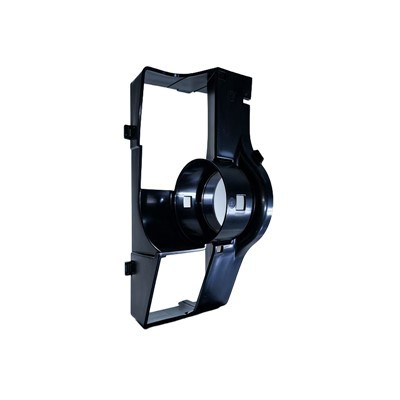
Automotive Plastic Air Vent Housing If you’re in the market for high – quality automotive plastic parts with excellent color fastness, I’d love to have a chat with you. Whether you’re a car manufacturer or a parts distributor, we can work together to meet your specific needs. Don’t hesitate to reach out and start a conversation about your procurement requirements.
References
- "Plastics in Automotive Applications" by various authors
- "Colorants for Plastics: A Technical Handbook" by James F. Kerns
Ningbo Xiaohua Plastic Industry Co., Ltd.
We are one of the most experienced automotive plastic parts manufacturers and suppliers in China, specialized in providing high quality customized service to global clients. We warmly welcome you to wholesale durable automotive plastic parts in stock here from our factory.
Address: No. 878, Gulin Section, Yinxian Avenue, Haishu District, Ningbo City, Zhejiang Province
E-mail: 13736009355@163.com
WebSite: https://www.cnxiaohua.com/
