As a provider of home energy storage systems, I often encounter homeowners who are eager to make the right choice for their energy needs. Selecting the appropriate home energy storage system is a significant decision that can impact your energy usage, savings, and environmental footprint. In this blog, I’ll share some insights on how to choose the right home energy storage system for your home. Home Energy Storage System
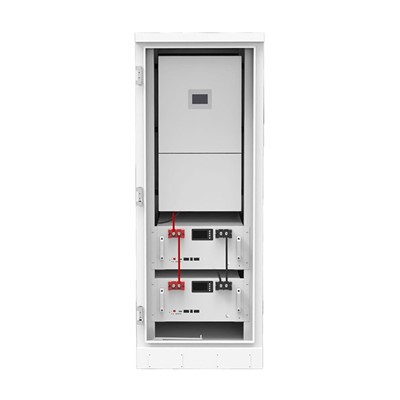
Understanding Your Energy Needs
The first step in choosing a home energy storage system is to understand your energy consumption patterns. Start by reviewing your electricity bills over the past year to identify your average daily, monthly, and seasonal energy usage. Consider the peak hours when your energy consumption is highest and the times when you use the least amount of energy. This information will help you determine the capacity of the energy storage system you need.
For example, if you have a large family with high energy demands, you may require a system with a higher capacity to store enough energy to meet your needs during peak hours. On the other hand, if you live alone or have a small household with lower energy consumption, a smaller system may be sufficient.
Assessing Your Home’s Energy Sources
Another important factor to consider is the energy sources available in your home. If you have solar panels installed, you can use the energy generated by the sun to charge your energy storage system. This can significantly reduce your reliance on the grid and lower your electricity bills.
In addition to solar energy, you may also have access to other renewable energy sources such as wind or hydro power. If you have a combination of renewable energy sources, you can choose an energy storage system that is compatible with multiple energy inputs.
If you do not have any renewable energy sources, you can still benefit from a home energy storage system by using it to store energy during off-peak hours when electricity rates are lower. You can then use the stored energy during peak hours to reduce your electricity costs.
Evaluating the System’s Capacity and Performance
The capacity of a home energy storage system refers to the amount of energy it can store. It is typically measured in kilowatt-hours (kWh). When choosing a system, you need to consider your energy needs and the amount of energy you want to store.
In addition to capacity, you also need to evaluate the system’s performance. This includes factors such as the system’s efficiency, charge and discharge rates, and the length of time it can store energy. A high-efficiency system will convert more of the energy it stores into usable electricity, while a system with a fast charge and discharge rate will allow you to quickly access the stored energy when you need it.
Considering the System’s Compatibility and Integration
When choosing a home energy storage system, you need to ensure that it is compatible with your existing electrical system and any other energy sources you have. This includes checking the system’s voltage, frequency, and power output to ensure that it can be safely and effectively integrated into your home’s electrical grid.
In addition to compatibility, you also need to consider the system’s integration with other smart home devices and energy management systems. A system that can be easily integrated with your smart home devices will allow you to monitor and control your energy usage more effectively.
Comparing Different Brands and Models
There are many different brands and models of home energy storage systems available on the market. When comparing different systems, you need to consider factors such as the system’s price, warranty, and customer reviews.
In addition to these factors, you also need to consider the reputation of the manufacturer. A reputable manufacturer will have a track record of producing high-quality products and providing excellent customer service.
Seeking Professional Advice
Choosing the right home energy storage system can be a complex process. If you are unsure about which system is right for your home, it is recommended that you seek professional advice from a qualified energy consultant or installer.
A professional energy consultant or installer can help you assess your energy needs, evaluate different systems, and provide you with recommendations based on your specific requirements. They can also help you with the installation and maintenance of the system to ensure that it is operating safely and efficiently.
Conclusion
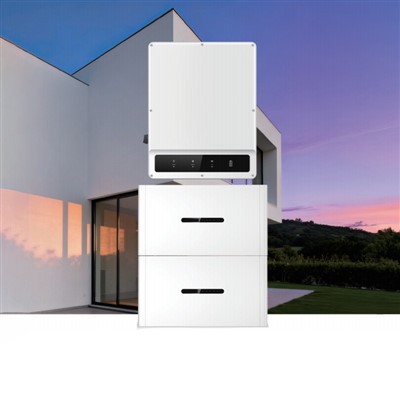
Choosing the right home energy storage system is a significant decision that can have a major impact on your energy usage, savings, and environmental footprint. By understanding your energy needs, assessing your home’s energy sources, evaluating the system’s capacity and performance, considering the system’s compatibility and integration, comparing different brands and models, and seeking professional advice, you can make an informed decision and choose the system that is right for your home.
Commercial and Industrial Energy Storage System If you are interested in learning more about our home energy storage systems or would like to discuss your energy needs with one of our experts, please contact us. We would be happy to provide you with more information and help you choose the right system for your home.
References
- [List of relevant industry reports, studies, or books that you used to gather information for the blog. For example: "Smith, J. (2020). Home Energy Storage Systems: A Comprehensive Guide. Publisher Name."]
Shandong Yaoqian Energy Storage International Trade Co., Ltd.
We’re well-known as one of the leading home energy storage system manufacturers and suppliers in China, featured by quality products and good price. Please rest assured to buy customized home energy storage system made in China here from our factory.
Address: Lithium Battery Industrial Park, Xingcheng Street, Zaozhuang High-tech Zone, Shandong Province, China
E-mail: boss@yaoqiansmart.com
WebSite: https://www.yaoqiansmart.com/
