As a long – standing supplier of YUNNEI Piston, I’ve had the privilege of delving deep into the intricacies of its piston pin hole design. This design is a crucial aspect of the piston’s overall performance, and understanding it can provide valuable insights for those in the automotive and engine manufacturing industries. YUNNEI Piston
The Basics of Piston Pin Hole Design
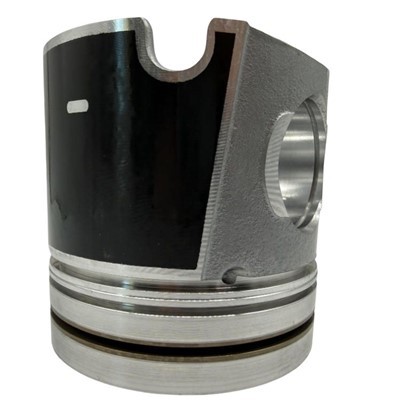
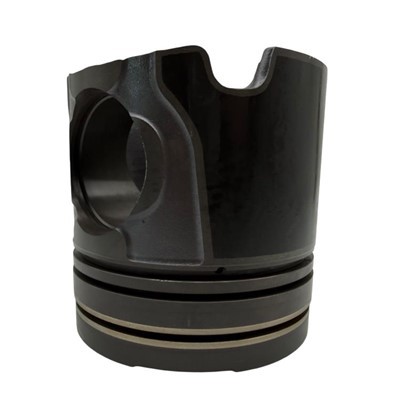
The piston pin hole is a small but vital feature of the piston. It serves as the connection point between the piston and the connecting rod, allowing for the transfer of force from the expanding gases in the combustion chamber to the crankshaft. In the case of YUNNEI Piston, the design of the pin hole is carefully engineered to meet specific performance requirements.
One of the primary considerations in piston pin hole design is the size and shape. The diameter of the pin hole must be precisely machined to ensure a proper fit with the piston pin. A too – loose fit can lead to excessive noise, vibration, and wear, while a too – tight fit can cause binding and potential failure of the piston or the connecting rod. YUNNEI Piston uses advanced manufacturing techniques to achieve extremely accurate pin hole diameters, with tolerances measured in micrometers.
The shape of the pin hole also plays a significant role. Most YUNNEI pistons feature a cylindrical pin hole, which provides a uniform contact surface with the piston pin. However, in some high – performance applications, the pin hole may have a slightly tapered shape. This taper can help to distribute the load more evenly along the length of the pin, reducing stress concentrations and improving the overall durability of the piston – pin – connecting rod assembly.
Material and Heat Treatment
The material used for the piston and the pin hole area is another critical factor. YUNNEI Pistons are typically made from high – strength aluminum alloys. These alloys offer a good balance of strength, weight, and thermal conductivity. The pin hole area is often further strengthened through heat treatment processes.
Heat treatment can enhance the hardness and wear resistance of the pin hole. For example, T6 heat treatment is commonly used for YUNNEI pistons. This process involves solution heat treatment followed by artificial aging. The solution heat treatment dissolves the alloying elements in the aluminum matrix, and the subsequent aging process causes the precipitation of fine particles, which increases the hardness of the material. This hardened pin hole can better withstand the high – pressure and high – temperature conditions within the engine.
Lubrication and Surface Finish
Proper lubrication is essential for the smooth operation of the piston pin within the pin hole. YUNNEI Piston’s pin hole design takes this into account. The surface finish of the pin hole is carefully controlled to provide a smooth and consistent surface for the piston pin to slide on. A rough surface can cause increased friction, wear, and heat generation, while a too – smooth surface may not retain enough lubricant.
YUNNEI Pistons often have a honed surface finish on the pin hole. Honing is a process that creates a series of fine cross – hatched grooves on the surface. These grooves act as reservoirs for the lubricating oil, ensuring a continuous supply of oil between the piston pin and the pin hole. This helps to reduce friction and wear, and also improves the overall efficiency of the engine.
Design for High – Performance and Durability
In high – performance engines, the piston pin hole design of YUNNEI Pistons is optimized for maximum power and durability. For example, in racing engines, the pin hole may be designed to handle higher loads and speeds. This can involve using thicker piston walls around the pin hole area to increase the strength and stiffness of the piston.
YUNNEI also conducts extensive testing on its piston designs. Through dynamometer testing and real – world applications, the company can evaluate the performance of the piston pin hole under various conditions. This feedback is then used to refine the design, ensuring that the pistons can meet the demanding requirements of high – performance engines.
The Impact of Piston Pin Hole Design on Engine Performance
The design of the piston pin hole has a direct impact on the overall performance of the engine. A well – designed pin hole can improve engine efficiency, reduce emissions, and increase the lifespan of the engine.
When the piston pin hole provides a proper fit and smooth operation, the transfer of force from the piston to the connecting rod is more efficient. This means that more of the energy from the combustion process is converted into useful work, resulting in better fuel economy and increased power output.
Moreover, a durable pin hole design can reduce the likelihood of engine failures. By minimizing wear and stress on the piston pin and the connecting rod, the engine is less likely to experience breakdowns, which can save time and money in maintenance and repairs.
Quality Control in Piston Pin Hole Manufacturing
As a YUNNEI Piston supplier, I can attest to the strict quality control measures in place during the manufacturing of the piston pin hole. Every piston undergoes a series of inspections to ensure that the pin hole meets the required specifications.
Dimensional inspections are carried out using precision measuring tools such as micrometers and coordinate measuring machines (CMMs). These tools can accurately measure the diameter, roundness, and straightness of the pin hole. Any pistons that do not meet the specified tolerances are rejected.
In addition to dimensional inspections, the surface finish of the pin hole is also carefully examined. Optical inspection systems can detect any surface defects or irregularities that could affect the performance of the piston.
Future Trends in Piston Pin Hole Design
Looking ahead, there are several trends in piston pin hole design that YUNNEI is likely to follow. One trend is the use of advanced materials and manufacturing processes. For example, new aluminum alloys with even higher strength and better heat resistance may be developed. Additionally, additive manufacturing techniques could be used to create more complex pin hole geometries that are optimized for specific engine applications.
Another trend is the integration of smart technologies. Sensors could be embedded in the piston or the pin hole area to monitor parameters such as temperature, pressure, and wear. This data could then be used to optimize engine performance and predict maintenance needs.
Conclusion
In conclusion, the piston pin hole design of YUNNEI Piston is a sophisticated and critical aspect of the piston’s performance. Through careful consideration of size, shape, material, heat treatment, lubrication, and quality control, YUNNEI has developed pistons that can meet the diverse needs of the automotive and engine manufacturing industries.
SDEC Piston If you are in the market for high – quality pistons, I encourage you to reach out for a procurement discussion. We can provide detailed information about our products, including the unique features of the piston pin hole design, and work with you to find the best solution for your specific requirements.
References
- Automotive Engine Design, by Richard Stone
- Piston Technology Handbook, by various authors in the piston manufacturing field
- Journal of Engine Performance and Efficiency, various issues related to piston design
Hebei Yuwei Piston Co., Ltd.
As one of the most professional yunnei piston manufacturers and suppliers in China, we’re featured by quality products and good service. Please rest assured to buy customized yunnei piston made in China here from our factory. Also, quotation is available.
Address: Beizhujiacun Village, Sujiuzhuang Town, Ningjin County, Xingtai City, Hebei Province
E-mail: jack@ywpiston.com
WebSite: https://www.ywpiston.com/
