Hey there! I’m a supplier in the power cable business, and today I wanna dig into a question that comes up a lot: What is the maximum power a power cable can handle? It’s a super important topic, whether you’re an electrician, a business owner setting up a new shop, or just a curious person interested in how electricity works. Power Cable
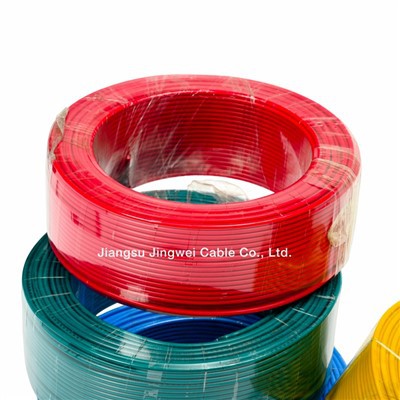
Let’s start with the basics. Power cables are like the highways of the electrical world. They carry electrical energy from one place to another, and just like highways have a maximum number of cars they can safely handle, power cables have a limit to the amount of power they can carry. This limit is crucial because if you try to push more power through a cable than it can handle, well, things can get pretty ugly. We’re talking about overheating, which can lead to damage to the cable, electrical fires, and all sorts of other problems.
So, what determines this maximum power? There are a few key factors.
First off, it’s all about the cable’s size. You’ve probably noticed that some power cables are thicker than others. That’s not just for show. The cross – sectional area of a cable’s conductor (usually made of copper or aluminum) plays a huge role. A larger cross – sectional area means there’s more room for the electrical current to flow. Think of it like a wider river. More water can flow through a wider river without causing a flood, and more electrical current can flow through a thicker cable without overheating. For instance, a cable with a larger cross – section can handle more amperes (amps), which is a measure of electrical current. And since power (in watts) is calculated as the product of voltage and current (P = V x I), if you can handle more current, you can handle more power.
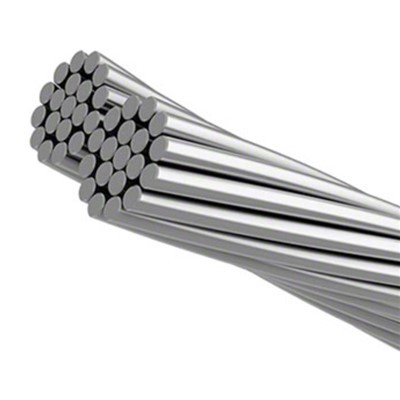
The material of the conductor is also super important. Copper is a popular choice for power cables because it’s an excellent conductor of electricity. It has low resistance, which means that when electrical current flows through it, less energy is lost as heat. Aluminum is another option. It’s lighter and cheaper than copper, but it also has higher resistance. So, for a given cable size, a copper cable can generally handle more power than an aluminum one.
Another factor is the insulation around the conductor. The insulation not only protects us from getting electrocuted but also helps in heat dissipation. Different types of insulation have different temperature ratings. For example, some insulation materials can withstand high temperatures better than others. If a cable has insulation with a high – temperature rating, it can handle more power because it can dissipate the heat generated by the current flow more effectively without getting damaged.
The ambient temperature where the cable is installed also matters. If you’re running a cable in a hot environment, like in an industrial kitchen or a closed electrical cabinet, the cable will have a harder time dissipating heat. So, its maximum power – handling capacity will be lower compared to the same cable installed in a cooler place.
Now, how do we actually figure out the maximum power a cable can handle? Manufacturers usually provide something called ampacity ratings. Ampacity is the maximum current a cable can carry continuously under specified conditions without exceeding its temperature rating. Once you know the ampacity, you can calculate the maximum power. For example, if you’re working in a standard household electrical system with a voltage of 120 volts, and a cable has an ampacity of 15 amps, you can calculate the power using the formula P = V x I. So, P = 120V x 15A = 1800 watts.
But here’s the thing. In real – world applications, we don’t just rely on these basic calculations. There are safety factors to consider. We always want to use a cable that can handle more power than we actually need. This is known as derating. Derating is like building in some extra cushion in case there are unexpected changes in the electrical load or environmental conditions. For example, if you expect a continuous load of say, 1200 watts, you might choose a cable that can handle 1500 or 2000 watts just to be on the safe side.
As a power cable supplier, I’ve seen all sorts of situations where people didn’t pay enough attention to the maximum power a cable could handle. I remember a small business owner who was trying to set up a new coffee shop. They were using some old, undersized cables to power all their espresso machines, grinders, and lights. The cables started overheating, and they had to shut down the shop for a few days to replace all the cables. It was a costly mistake that could have been avoided if they had chosen the right cables in the first place.
On the other hand, I’ve also worked with large industrial clients who need cables to handle extremely high power. In a manufacturing plant, they might have giant motors and machinery that require cables capable of handling thousands of amps. In these cases, we have to do very detailed calculations, taking into account all the factors we’ve talked about – cable size, material, insulation, ambient temperature, and more.
So, if you’re in the market for power cables, it’s essential to understand your power requirements. You need to know things like the voltage of your electrical system, the total current your devices will draw, and the environmental conditions where the cables will be installed. That way, you can choose the right cable with the appropriate maximum power – handling capacity.
At our company, we offer a wide range of power cables. We’ve got different sizes, materials, and insulation types to meet all sorts of needs. Whether you’re wiring a small home office or a massive industrial complex, we’ve got you covered. Our team of experts can help you figure out exactly what cables you need based on your power requirements.
If you’re interested in learning more or are thinking about making a purchase, don’t hesitate to reach out. We’re happy to have a chat, answer your questions, and get you set up with the best power cables for your situation. We’re all about providing high – quality cables that are safe, reliable, and can handle the power you need.
Don’t take any chances when it comes to your electrical systems. Choose the right power cables today, and let’s keep the electricity flowing safely and efficiently.
Solar DC Cables References
- "Electrical Wiring Handbook"
- Manufacturer’s specifications for various power cables
- Industry standards for electrical installations
Jiangsu Jingwei Cable Co., Ltd.
As one of the leading power cable manufacturers in China, we warmly welcome you to buy bulk durable power cable made in China here from our factory. All cables are with high quality and competitive price. For pricelist and free sample, contact us now.
Address: Industrial Concentration Zone C, Guanlin Town,Yixing City, Jiangsu Province
E-mail: marilyn.wang@jingwei-cable.com
WebSite: https://www.jwcable.com/
