Silver-plated bottles have gained popularity in recent years due to their attractive appearance and perceived benefits. As a supplier of silver-plated bottles, I understand the allure they hold for consumers. However, like any product, they come with certain disadvantages that potential buyers should be aware of. In this blog post, I will delve into the drawbacks of silver-plated bottles based on scientific facts and real-world experiences. Silver-plated Bottle

1. Durability Issues
- Wear and Tear of the Silver Plating
The silver plating on these bottles is relatively thin. Over time, with regular use, the plating can start to wear off. This is especially true if the bottle is frequently rubbed against other objects or if it is cleaned using abrasive materials. For instance, if you place the bottle in a bag with keys or other sharp items, the keys can scratch the silver plating. Once the plating is damaged, it can expose the underlying base material, which may lead to corrosion or a less appealing appearance. - Susceptibility to Dents
Silver-plated bottles are often made of a base metal such as stainless steel or aluminum, which is then plated with silver. While these base metals are generally strong, they can still be prone to dents. A minor impact, like dropping the bottle on a hard surface, can cause a dent. Unlike a solid silver bottle, which may be more malleable and less likely to dent severely, the combination of the base metal and the thin silver plating can make the bottle more vulnerable to physical damage.
2. Maintenance Challenges
- Tarnishing of the Silver Plating
Silver is known to tarnish when exposed to air and certain chemicals. The sulfur compounds present in the air can react with the silver in the plating, forming a layer of silver sulfide on the surface. This tarnish not only gives the bottle a dull, unappealing appearance but can also be difficult to remove. To maintain the shiny look of the silver-plated bottle, regular polishing is required. This can be time – consuming and may require the use of specialized silver polishing agents. - Cleaning Difficulties
Cleaning a silver-plated bottle requires extra care. Harsh cleaning agents can damage the silver plating. For example, acidic or alkaline cleaners can corrode the plating. Even regular dish soap may not be suitable in some cases, as it can leave a residue on the silver surface. Instead, a mild, non – abrasive cleaner specifically designed for silver-plated items should be used. Additionally, the nooks and crannies of the bottle, such as the cap and the seams, can be difficult to clean thoroughly, leading to the accumulation of dirt and bacteria over time.
3. Cost – Benefit Analysis
- Higher Initial Cost
Silver-plated bottles are typically more expensive than non – plated bottles of similar size and quality. The process of silver plating adds to the manufacturing cost, which is then passed on to the consumer. This can be a significant drawback for budget – conscious buyers. For the same price as a silver-plated bottle, one could purchase a high – quality, non – plated bottle that may offer similar functionality. - Limited Long – Term Value
Although silver is a precious metal, the thin layer of silver plating on these bottles does not have much intrinsic value. In the long run, if the bottle becomes damaged or worn out, the resale value is likely to be quite low. Unlike a solid silver item, which retains a certain value based on the silver content, a silver-plated bottle may not hold its worth well in the second – hand market.
4. Health Concerns
- Allergic Reactions
Some people may be allergic to silver or the base metals used in the bottle. Silver allergies can cause skin irritations, rashes, or other allergic reactions. Even if the silver plating is intact, the tiny particles of silver that may leach into the liquid stored in the bottle can trigger an allergic response in sensitive individuals. Similarly, if the base metal contains nickel, which is a common allergen, it can also pose a risk to those with nickel allergies. - Metallic Taste
In some cases, silver-plated bottles can impart a metallic taste to the liquid stored in them. This is especially true if the silver plating starts to degrade or if the bottle has not been properly seasoned. The metallic taste can be unpleasant, especially when drinking water or other beverages. It may also affect the overall drinking experience and discourage consumers from using the bottle regularly.
5. Environmental Impact
- Manufacturing Process
The production of silver-plated bottles involves several chemical processes. The plating process requires the use of various chemicals, including silver salts and other additives. These chemicals can be harmful to the environment if not properly managed. The disposal of waste products from the manufacturing process, such as spent plating solutions, can also contribute to environmental pollution. - End – of – Life Disposal
When a silver-plated bottle reaches the end of its life, it can be difficult to recycle. Separate the silver plating from the base metal is a complex and costly process. As a result, many silver-plated bottles end up in landfills, where they can take a long time to decompose. This adds to the growing problem of waste management and environmental degradation.
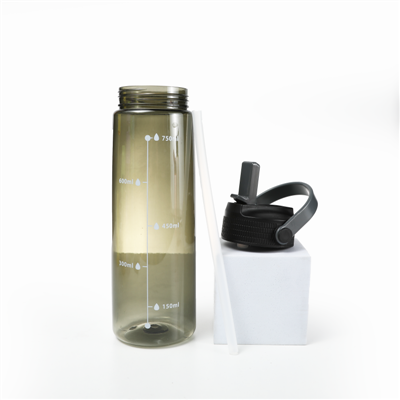
Despite these disadvantages, silver-plated bottles still have their unique charm and appeal. They can be a stylish and practical choice for many consumers. At our company, we are committed to providing high – quality silver-plated bottles that are carefully crafted to minimize these drawbacks. Our products undergo strict quality control measures to ensure the durability of the silver plating and the overall performance of the bottle.
Kid’s Water Bottle If you are interested in learning more about our silver-plated bottles or would like to discuss a potential purchase, please feel free to contact us. We welcome the opportunity to work with you and provide you with the best solutions for your needs.
References
- Handbook of Metal Finishings, edited by Phillip Schlesinger, provides in – depth information on the silver – plating process and the properties of silver – plated materials.
- Consumer Reports on Bottle Products, which includes studies and reviews on the durability, maintenance, and cost – effectiveness of various types of bottles, including silver – plated ones.
- Journal of Allergy and Clinical Immunology articles on allergic reactions to metals, which discuss the potential health risks associated with silver and other metals in consumer products.
- Environmental Science & Technology research papers on the environmental impact of manufacturing and disposing of metal – plated products.
Polywell International
Polywell International is one of the most professional silver-plated bottle manufacturers and suppliers in China, featured by quality products and good price. Please rest assured to buy advanced silver-plated bottle made in China here and get quotation from our factory. Customized orders are welcome.
Address: Building 3, Chengzhou Industrial Zone, No.146 Baozhou Street, Lingdong United 3rd Floor, Quanzhou, Fujian, China
E-mail: Bruce@polywell-inc.com
WebSite: https://www.cndrinkware.com/
