As a supplier of brake wheel cylinders, I’ve witnessed firsthand the intricate dance between these components and the brake shoes in a drum brake system. The synergy between them is not just a matter of engineering; it’s the cornerstone of vehicle safety. Brake Wheel Cylinder

The Anatomy of a Drum Brake System
Before delving into the interaction, let’s understand the key players in a drum brake system. The drum brake system consists of several vital parts: the brake drum, brake shoes, wheel cylinder, return springs, and adjusters. The brake drum is a large, circular component attached to the wheel. It rotates with the wheel and provides the surface against which the brake shoes press to slow down or stop the vehicle.
Brake shoes are semi – circular components lined with friction material. When activated, they press against the inner surface of the brake drum, generating the friction needed to decelerate the vehicle. The wheel cylinder is a crucial hydraulic component. It’s typically located at the top of the brake assembly, between the two brake shoes. The return springs are responsible for pulling the brake shoes back to their original position after the brakes are released, while the adjusters ensure that the brake shoes maintain the correct distance from the brake drum.
The Role of the Brake Wheel Cylinder
The brake wheel cylinder serves as the actuator in the drum brake system. Its main function is to convert hydraulic pressure into mechanical force. When the driver presses the brake pedal, brake fluid is forced through the brake lines under high pressure. This pressurized fluid enters the brake wheel cylinder.
Inside the wheel cylinder, there are one or more pistons. The number of pistons depends on the design of the wheel cylinder. In a typical single – piston wheel cylinder, the pressurized brake fluid acts on the piston, pushing it outwards. In a dual – piston wheel cylinder, the fluid pressure acts on two pistons simultaneously, pushing them in opposite directions.
Interaction with the Brake Shoes
The interaction between the brake wheel cylinder and the brake shoes begins when the pistons in the wheel cylinder are pushed outwards by the hydraulic pressure. The ends of the pistons are in contact with the brake shoes. As the pistons move, they exert a force on the brake shoes, causing them to pivot at their anchor points.
The brake shoes are designed to move in such a way that their friction – lined surfaces are pressed firmly against the inner surface of the brake drum. This contact creates friction, which in turn converts the kinetic energy of the rotating wheel into heat energy. As more heat is generated, the rotational speed of the wheel decreases, and the vehicle slows down or comes to a stop.
Factors Affecting the Interaction
Several factors can affect the interaction between the brake wheel cylinder and the brake shoes. Hydraulic pressure is one of the most critical factors. The amount of pressure applied to the wheel cylinder depends on how hard the driver presses the brake pedal. A greater force on the pedal results in higher hydraulic pressure, which in turn causes the pistons in the wheel cylinder to exert more force on the brake shoes.
The condition of the brake fluid also plays a significant role. Over time, brake fluid can absorb moisture, which can lead to corrosion inside the wheel cylinder. Corroded pistons may not move smoothly, resulting in uneven force distribution on the brake shoes. This can lead to problems such as uneven braking, reduced braking efficiency, and increased wear on the brake components.
The friction material on the brake shoes is another important factor. Different types of friction materials have different coefficients of friction. A higher coefficient of friction means that the brake shoes can generate more frictional force when in contact with the brake drum. However, factors such as temperature, wear, and contamination can affect the performance of the friction material.
Maintenance and Troubleshooting
Regular maintenance is essential to ensure the proper interaction between the brake wheel cylinder and the brake shoes. It’s important to check the brake fluid level regularly and replace the fluid at the recommended intervals. Brake fluid should be clear and free of debris. If the fluid appears cloudy or has a milky appearance, it may be contaminated with moisture and should be replaced.
Inspecting the brake wheel cylinder for leaks is also crucial. A leak in the wheel cylinder can cause a loss of hydraulic pressure, resulting in reduced braking performance. Visual signs of a leak include wet spots around the wheel cylinder or on the brake shoes. If a leak is detected, the wheel cylinder should be replaced immediately.
The brake shoes should be inspected for wear. Most brake shoes have wear indicators that will make a squealing noise when the friction material is worn down to a certain level. If the brake shoes are worn beyond the recommended limit, they should be replaced.
The Importance of Quality Components
As a supplier of brake wheel cylinders, I understand the importance of providing high – quality components. A well – designed and manufactured brake wheel cylinder is crucial for the proper functioning of the drum brake system. High – quality wheel cylinders are made from durable materials that can withstand the high pressures and corrosive environments inside the brake system.
They also have precisely machined pistons and bores to ensure smooth and consistent operation. By using high – quality brake wheel cylinders, vehicle owners can ensure reliable braking performance and reduce the risk of brake failures.
The Future of Drum Brake Systems and Our Role
Although disc brake systems are becoming more common in modern vehicles, drum brake systems still have their place, especially in the rear wheels of many cars, trucks, and SUVs. Advances in materials and technology are continuously improving the performance and reliability of drum brake systems.
As a supplier, we are constantly researching and developing new products to meet the evolving needs of the automotive industry. We are exploring the use of new materials for brake wheel cylinders that are lighter, stronger, and more corrosion – resistant. We are also working on improving the design of our wheel cylinders to enhance their efficiency and performance.
Why Choose Our Brake Wheel Cylinders
When it comes to purchasing brake wheel cylinders, choosing the right supplier is crucial. Our company has a long – standing reputation for providing high – quality brake components. We have a team of experienced engineers and technicians who are dedicated to ensuring the best possible performance and reliability of our products.
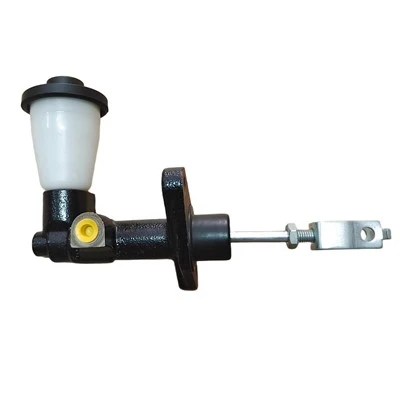
We use state – of – the – art manufacturing processes to produce brake wheel cylinders that meet or exceed industry standards. Our products undergo rigorous testing to ensure they can withstand the toughest operating conditions. Whether you are an automotive manufacturer, a repair shop, or a distributor, you can trust our brake wheel cylinders to provide the safety and performance you need.
Contact Us for Your Brake Wheel Cylinder Needs
Clutch Slave Cylinder If you are in the market for high – quality brake wheel cylinders, we invite you to get in touch with us. We are ready to discuss your specific requirements and provide you with the best solutions. Whether you need a small quantity for a repair job or a large – scale supply for a manufacturing project, we have the capacity to meet your needs. Contact us today to start a productive conversation about your brake component needs.
References
- Chassis and Brake Systems by John F. Kershaw
- Automotive Brake Systems by Bill Fisher
- Modern Automotive Technology by James Halderman
Ruian Xinyao Automobile Parts Co., Ltd.
With abundant experience, we are one of the most professional brake wheel cylinder manufacturers and suppliers in China. We warmly welcome you to wholesale bulk advanced brake wheel cylinder from our factory. If you have any enquiry about cooperation, please feel free to email us.
Address: Xialin Industrial Zone, Tangxia Town, Ruian City,Wenzhou City,Zhejiang Province,China
E-mail: 18969725686@163.com
WebSite: https://www.raxinyao.com/
