As a supplier of loading and unloading robots, I am often asked about the environmental protection features of our products. In an era where sustainability is not just a buzzword but a global imperative, it’s crucial to understand how the technologies we offer can contribute to a greener planet. In this blog post, I will delve into the various environmental protection features of our loading and unloading robots, highlighting how they can help businesses reduce their ecological footprint while improving operational efficiency. Loading and Unloading Robot
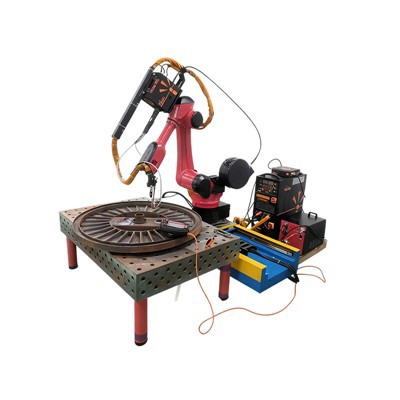
Energy Efficiency
One of the most significant environmental benefits of our loading and unloading robots is their high energy efficiency. Traditional loading and unloading methods, such as manual labor or using large, fuel – powered machinery, consume a substantial amount of energy. Manual labor is not only slow but also requires human workers to operate within a process that often involves multiple steps and inefficiencies. Fuel – powered machinery, on the other hand, burns fossil fuels, emitting harmful greenhouse gases and pollutants into the atmosphere.
Our robots are designed with advanced energy – saving technologies. They are equipped with high – efficiency motors that convert electrical energy into mechanical energy with minimal losses. These motors are carefully calibrated to match the power requirements of the specific tasks, ensuring that only the necessary amount of energy is consumed. Additionally, the robots are programmed to optimize their movement paths. By using algorithms that calculate the shortest and most efficient routes for loading and unloading, they reduce the time and energy spent on unnecessary movements.
For example, when a robot is tasked with moving a series of pallets from a storage area to a shipping container, it will analyze the location of each pallet and the most direct way to pick them up and place them in the container. This smart navigation not only speeds up the process but also cuts down on the power consumption of the robot. Over time, these energy savings can significantly reduce a company’s electricity bill and its overall carbon emissions.
Reduced Emissions
As mentioned earlier, traditional loading and unloading equipment that relies on fossil fuels, such as diesel forklifts, releases a large amount of carbon dioxide, particulate matter, and other pollutants into the air. These emissions contribute to air pollution, which has detrimental effects on human health and the environment. Our robotic loading and unloading systems operate on electricity, which is a much cleaner source of energy, especially when sourced from renewable sources like solar, wind, or hydroelectric power.
By using electric – powered robots, companies can eliminate the direct emissions associated with fossil – fuel – powered equipment. This is particularly important in indoor environments, such as warehouses, where poor air quality can pose a serious risk to workers’ health. In an industrial warehouse, the use of diesel forklifts can lead to high levels of air pollution, including the presence of carbon monoxide and fine particulate matter. Replacing these forklifts with our electric loading and unloading robots can significantly improve the indoor air quality, creating a safer and healthier working environment.
Moreover, on a larger scale, as more companies adopt electric robots for their loading and unloading operations, the collective reduction in fossil – fuel consumption will have a positive impact on the global fight against climate change. The reduction in carbon emissions helps to mitigate the effects of global warming and move the world towards a more sustainable future.
Minimized Material Waste
Loading and unloading robots are highly precise in their operations, which helps to minimize material waste. Manual handling of goods can often result in human errors, such as dropping, damaging, or misplacing items. These mistakes not only lead to the loss of valuable products but also generate additional waste. For example, if a fragile item is dropped during the loading or unloading process, it may need to be discarded, and new packaging may also be required.
Our robots are designed with advanced sensors and sophisticated control systems that allow them to handle goods with a high degree of accuracy. They can grip items firmly and precisely, reducing the risk of damage. Whether it’s delicate glassware or heavy industrial equipment, the robots are programmed to adjust their grip strength and movement speed according to the characteristics of the item.
In addition, the robots can optimize the use of packaging materials. They are able to stack and arrange products in the most space – efficient way, which may reduce the need for excessive packaging. By fitting more products into each shipping container or storage area, companies can save on packaging materials and reduce the amount of waste sent to landfills.
Extended Equipment Lifespan
Our loading and unloading robots are built to last. They are constructed with high – quality materials and undergo rigorous testing to ensure reliability and durability. This extended lifespan is an important environmental protection feature because it reduces the need for frequent replacement of equipment.
When a piece of equipment has a short lifespan, it means that more raw materials are required to manufacture new replacements. The production of these materials often involves energy – intensive processes and can cause environmental damage, such as deforestation for wood – based materials or pollution from mining and refining metals. By using our long – lasting robots, companies can reduce the demand for new equipment production, thereby conserving natural resources and reducing the environmental impact associated with manufacturing.
Furthermore, the maintenance of our robots is designed to be straightforward and efficient. We provide comprehensive maintenance services and spare parts, which can further extend the lifespan of the robots. Regular maintenance ensures that the robots operate at their optimal performance, reducing the likelihood of breakdowns and the need for premature replacement.
Noise Reduction
Noise pollution is an often – overlooked environmental issue, especially in industrial settings. Traditional loading and unloading equipment, such as large trucks and noisy machinery, can generate high levels of noise that can be harmful to workers’ hearing and disrupt the surrounding environment.
Our loading and unloading robots are designed to operate quietly. The electric motors and advanced mechanical components produce minimal noise during operation. This not only creates a more pleasant working environment for employees but also reduces the impact on the surrounding community if the warehouse or loading area is located near residential areas.
By reducing noise pollution, our robots contribute to the overall well – being of both workers and the environment. Workers can focus better on their tasks without being distracted or stressed by excessive noise, and the local community can enjoy a quieter and more peaceful living environment.
Conclusion
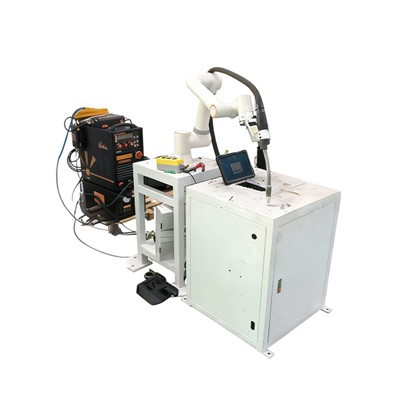
In conclusion, our loading and unloading robots offer a range of environmental protection features that make them an ideal choice for businesses looking to reduce their environmental impact. From energy efficiency and reduced emissions to minimized material waste, extended equipment lifespan, and noise reduction, these robots are designed to be sustainable solutions for the modern industrial world.
Stamping Robot If you are interested in learning more about how our loading and unloading robots can benefit your business while contributing to environmental protection, we encourage you to reach out to us for a procurement discussion. Our team of experts will be happy to provide you with detailed information, answer your questions, and help you find the best solution for your specific needs.
References
- International Energy Agency. (2023). Energy Efficiency in Industry: Best Practices and Future Trends.
- World Health Organization. (2022). Air Quality Guidelines: Global Update.
- United Nations Environment Programme. (2021). Waste Management and Sustainable Development Goals.
Dongguan Chuanglida Intelligent Equipments Co., Ltd.
As one of the most professional loading and unloading robot manufacturers and suppliers in China, we also support customized service. Please feel free to buy discount loading and unloading robot in stock here from our factory. For price consultation, contact us.
Address: Room 201, Building 2, No. 61, Shachang 1st Road, Dalang Town, Dongguan City, Guangdong Province
E-mail: haoguangli001@outlook.com
WebSite: https://www.boruntestech.com/
