When it comes to the vast landscape of industrial components, the Ansi B16.36 Orifice Flange holds a significant position. As a supplier deeply entrenched in the industry, I’ve witnessed firsthand the diverse applications of these flanges. One question that often surfaces is whether Ansi B16.36 Orifice Flanges can be used in air – conditioning systems. In this blog, I’ll delve into the technicalities, advantages, and potential drawbacks to provide a comprehensive answer. Ansi B16.36 Orifice Flange
Understanding Ansi B16.36 Orifice Flanges
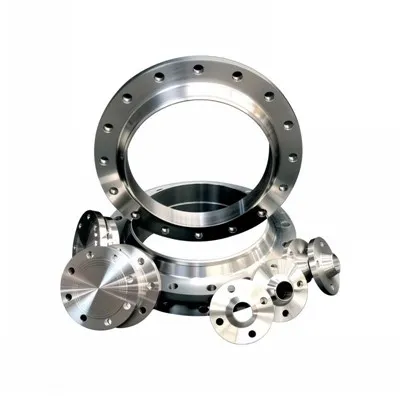
Before we explore their applicability in air – conditioning systems, it’s crucial to understand what Ansi B16.36 Orifice Flanges are. These flanges are designed in accordance with the American National Standards Institute (ANSI) B16.36 standard. They are primarily used in piping systems to measure the flow rate of fluids. The key feature of an orifice flange is the orifice plate installed between the flanges. This plate creates a constriction in the pipe, causing a pressure drop. By measuring this pressure difference, the flow rate of the fluid passing through the pipe can be accurately determined.
The construction of Ansi B16.36 Orifice Flanges typically involves high – quality materials such as carbon steel, stainless steel, or alloy steel. These materials are chosen for their durability, corrosion resistance, and ability to withstand high pressures and temperatures. The flanges come in various sizes and pressure ratings to accommodate different piping system requirements.
Air – Conditioning Systems: An Overview
Air – conditioning systems are designed to control the temperature, humidity, and air quality within a given space. They work by circulating a refrigerant through a closed – loop system. The refrigerant absorbs heat from the indoor air, cools it, and then releases the heat outside. The system consists of several components, including a compressor, condenser, evaporator, and expansion valve, all connected by a network of pipes.
The pipes in an air – conditioning system carry the refrigerant, which can be in a gaseous or liquid state depending on its location in the cycle. The flow rate of the refrigerant is a critical parameter that affects the efficiency and performance of the system. Accurate measurement and control of the refrigerant flow are essential for maintaining optimal cooling capacity and energy efficiency.
Can Ansi B16.36 Orifice Flanges be Used in Air – Conditioning Systems?
Advantages
- Accurate Flow Measurement: One of the primary advantages of using Ansi B16.36 Orifice Flanges in air – conditioning systems is their ability to provide accurate flow measurement. By measuring the pressure drop across the orifice plate, the flow rate of the refrigerant can be precisely determined. This information is crucial for system optimization, as it allows for the adjustment of the refrigerant flow to match the cooling load requirements. For example, in a large commercial air – conditioning system, accurate flow measurement can help ensure that each zone receives the right amount of cooling, improving comfort levels and reducing energy consumption.
- Compatibility with Refrigerants: Ansi B16.36 Orifice Flanges are available in a variety of materials that are compatible with different refrigerants used in air – conditioning systems. For instance, stainless steel flanges are resistant to corrosion caused by common refrigerants such as R – 410A and R – 134a. This compatibility ensures the long – term reliability and performance of the flanges in the system.
- Standardized Design: The ANSI B16.36 standard ensures that the orifice flanges have a standardized design, which simplifies the installation process. This standardization also means that the flanges can be easily integrated into existing air – conditioning piping systems. Engineers and technicians are familiar with the ANSI standards, making it easier to select and install the appropriate flanges for the system.
Potential Drawbacks
- Pressure Loss: One of the main drawbacks of using orifice flanges in air – conditioning systems is the pressure loss associated with the orifice plate. The constriction created by the orifice plate causes a drop in pressure, which can reduce the efficiency of the system. In some cases, additional energy may be required to overcome this pressure loss, leading to increased operating costs.
- Maintenance Requirements: Orifice flanges require regular maintenance to ensure accurate flow measurement. The orifice plate can become clogged with debris or contaminants over time, affecting the pressure drop and flow measurement accuracy. Additionally, the gaskets between the flanges need to be inspected and replaced periodically to prevent leaks.
Case Studies and Real – World Applications
In some large – scale commercial air – conditioning projects, Ansi B16.36 Orifice Flanges have been successfully used to improve system performance. For example, in a high – rise office building, the installation of orifice flanges allowed for the precise measurement of the refrigerant flow in each floor’s air – conditioning unit. This enabled the building management to optimize the system operation, resulting in a significant reduction in energy consumption and lower operating costs.
However, in smaller residential air – conditioning systems, the use of orifice flanges may not be as common. The cost of installation and maintenance, combined with the relatively lower cooling load requirements, may make the use of orifice flanges less economically viable.
Considerations for Using Ansi B16.36 Orifice Flanges in Air – Conditioning Systems
- System Size and Complexity: For large and complex air – conditioning systems, such as those in commercial buildings or industrial facilities, the benefits of using Ansi B16.36 Orifice Flanges may outweigh the drawbacks. The ability to accurately measure and control the refrigerant flow can lead to significant energy savings and improved system performance. In contrast, for smaller residential systems, simpler flow measurement devices may be more suitable.
- Refrigerant Type: The type of refrigerant used in the air – conditioning system should be carefully considered when selecting orifice flanges. Different refrigerants have different chemical properties, and the flanges must be made of materials that are compatible with the specific refrigerant to prevent corrosion and ensure long – term reliability.
- Cost – Benefit Analysis: A thorough cost – benefit analysis should be conducted before deciding to use Ansi B16.36 Orifice Flanges in an air – conditioning system. This analysis should take into account the initial cost of the flanges, installation costs, maintenance costs, and the potential energy savings.
Conclusion
In conclusion, Ansi B16.36 Orifice Flanges can be used in air – conditioning systems, especially in large – scale commercial and industrial applications where accurate flow measurement is crucial for system optimization. While there are some potential drawbacks, such as pressure loss and maintenance requirements, the benefits of using these flanges can outweigh the costs in many cases.
Ansi B16.36 Orifice Flange As a supplier of Ansi B16.36 Orifice Flanges, I understand the importance of providing high – quality products and technical support to our customers. If you’re considering using orifice flanges in your air – conditioning system or have any questions about their applicability, I encourage you to reach out to me for a detailed discussion. We can work together to determine the best solution for your specific needs and help you optimize the performance of your air – conditioning system.
References
- ANSI B16.36 Standard for Orifice Flanges
- ASHRAE Handbook of HVAC Systems and Equipment
- Technical literature from major air – conditioning equipment manufacturers
Shanxi Xinshunda Flange Manufacturing Co., Ltd.
As one of the most professional ansi b16.36 orifice flange manufacturers and suppliers in China, we also support customized service with competitive price. We warmly welcome you to wholesale high quality ansi b16.36 orifice flange for sale here from our factory. For quotation, contact us now.
Address: Zhunagli Industrial Zone,jinchang Town,dingxiang,shanxi,china
E-mail: sales01@xinflange.com
WebSite: https://www.xinflange.com/
