As a supplier of A4VG Axial Piston Variable Pumps, I know firsthand how frustrating and costly cavitation can be. Cavitation not only shortens the lifespan of your pump but also decreases its efficiency and can cause all sorts of performance issues. In this blog post, I’m gonna share some tips on how to prevent cavitation in A4VG Axial Piston Variable Pumps. A4VG Axial Piston Variable Pump

Understanding Cavitation
Before we dive into prevention methods, let’s quickly go over what cavitation actually is. In simple terms, cavitation happens when the pressure of the fluid in the pump drops below the vapor pressure of the fluid. This causes vapor bubbles to form in the fluid. When these bubbles move to an area of higher pressure, they collapse suddenly. This violent collapse creates shockwaves that can damage the pump’s components, like the pistons, cylinders, and valve plates.
Importance of Proper Fluid Selection
One of the first steps in preventing cavitation is choosing the right fluid for your A4VG pump. The fluid should have the correct viscosity for the operating conditions of the pump. If the viscosity is too high, the pump may have to work harder to move the fluid, which can lead to a drop in pressure and cause cavitation. On the other hand, if the viscosity is too low, the fluid may not provide enough lubrication, increasing wear and tear on the pump components.
You also need to make sure the fluid is clean. Contaminants in the fluid, such as dirt, metal particles, or water, can cause blockages in the pump’s passages. These blockages can disrupt the flow of the fluid and lead to pressure drops, triggering cavitation. Regularly check the fluid’s condition and replace it according to the manufacturer’s recommendations.
Maintaining Correct Suction Conditions
The suction side of the pump is a critical area when it comes to preventing cavitation. The pump needs to be able to draw in fluid easily and smoothly. If there are any restrictions on the suction line, it can create a vacuum effect, causing the pressure to drop and leading to cavitation.
Inspect the suction line regularly for any signs of damage or blockages. Make sure the diameter of the suction line is appropriate for the pump’s flow rate. A line that’s too small can create excessive resistance, while a line that’s too large may cause the fluid to move too slowly, increasing the risk of air entrainment.
Also, keep the fluid level in the reservoir at the proper height. If the fluid level is too low, the pump may start to draw in air along with the fluid, which can lead to cavitation.
Controlling System Pressure
Another key factor in preventing cavitation is controlling the system pressure. The A4VG pump is designed to operate within a specific pressure range. If the pressure exceeds this range, it can cause problems.
Use pressure relief valves to ensure that the pressure in the system doesn’t get too high. These valves are set to open at a certain pressure, allowing excess fluid to flow back to the reservoir and preventing damage to the pump.
On the other hand, if the pressure is too low, the pump may not be able to function properly, and cavitation can occur. Monitor the pressure regularly using pressure gauges and make adjustments as needed.
Avoiding High-Speed Operation
Running the A4VG pump at high speeds can increase the risk of cavitation. At high speeds, the pump may not have enough time to draw in fluid properly, leading to a pressure drop on the suction side.
Try to operate the pump at a speed that’s recommended by the manufacturer. If you need to increase the flow rate, consider using a larger pump or a different operating mode rather than simply increasing the speed.
Ensuring Proper Installation
Proper installation of the A4VG pump is crucial for preventing cavitation. Make sure the pump is mounted securely and level. Any misalignment can cause uneven wear on the pump components and disrupt the flow of the fluid, increasing the risk of cavitation.
Also, make sure all the connections are tight and leak-free. Leaks can allow air to enter the system, which can lead to cavitation. Follow the manufacturer’s installation instructions carefully to ensure everything is done correctly.
Regular Maintenance
Regular maintenance is probably the most important thing you can do to prevent cavitation in your A4VG pump. This includes checking the fluid level and condition, inspecting the suction and discharge lines for damage and blockages, and monitoring the pressure and temperature of the system.
Replace worn or damaged components as soon as possible. A small problem can quickly turn into a major issue if left untreated, increasing the risk of cavitation and other problems.
Training for Operators
Lastly, make sure your operators are properly trained. They should know how to operate the pump correctly, understand the signs of cavitation, and know what to do if they suspect an issue. Proper training can help prevent many common mistakes that can lead to cavitation.
In conclusion, preventing cavitation in A4VG Axial Piston Variable Pumps requires a combination of proper fluid selection, maintaining correct suction conditions, controlling system pressure, avoiding high-speed operation, ensuring proper installation, regular maintenance, and operator training. By following these tips, you can keep your pump running smoothly and efficiently for a long time.
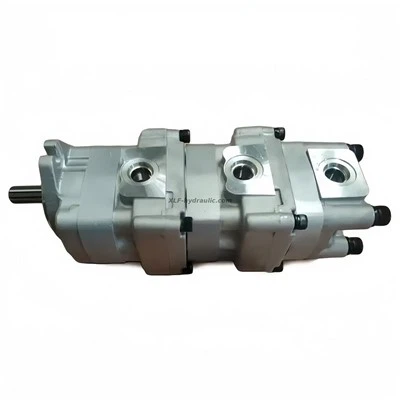
If you’re in the market for an A4VG Axial Piston Variable Pump or need any advice on pump maintenance and cavitation prevention, I’d love to hear from you. Reach out to me, and we can start a conversation about how to meet your specific needs.
Hydraulic Pump References
- Fluid Power Handbook – This comprehensive handbook provides in – depth information about hydraulic systems and pumps, including factors related to cavitation.
- Manufacturer’s Manual for A4VG Axial Piston Variable Pumps – The official manual offers detailed operating, installation, and maintenance guidelines.
Wuhan Xinlaifu Hydraulic Equipment Co., Ltd.
Wuhan Xinlaifu Hydraulic Equipment Co., Ltd. is one of the most professional a4vg axial piston variable pump manufacturers and suppliers in China, featured by high quality OEM&ODM products. Please feel free to buy customized a4vg axial piston variable pump from our factory.
Address: Liansu Industrial Park, No.1, Xincheng 11th Road, Dongxihu District, Wuhan, Hubei, China
E-mail: service@xlf-hydraulic.com
WebSite: https://www.xlf-hydraulic.com/
