Hey there,
If you’ve ever wondered “Can sodium hydroxide (NaOH, for short) actually help make those synthetic fibers you use every single day?” — well, I’m here to break that down, straight from a NaOH supplier who’s been in this game long enough to know the ins and outs of how our stuff ties into everything from your workout gear to that comfy sweater you grab on cold mornings.
I get it. When you hear “sodium hydroxide,” your brain might jump right to drain cleaners, oven grime, or that stuff that burns your skin if you mess with it. I’ve had countless textile guys call me up first thing, all like, “Wait, isn’t that super toxic? Why would we use it for fabrics?” Fair question. But here’s the thing: industrial grade NaOH isn’t the stuff you keep under your sink. It’s diluted, purified, and part of a process that’s been refining synthetic fibers for decades — and it’s non-negotiable for a lot of the big names in the textile space. Let’s walk through this, no fancy chemistry jargon that’ll make your eyes glaze over. Sodium Hydroxide
First, let’s do a quick reality check. Synthetic fibers aren’t just random plastic strings, right? They start as big chunks of raw material — think petroleum-based polymers, or even plant stuff like cellulose if you’re making semi-synthetics. The process of turning that solid, unworkable chunk into thin, flexible fiber you can weave? That’s where NaOH comes in. Let’s start with one of the biggest synthetic fibers out there: polyester. Wait, polyester? Yeah, I know, everyone’s into natural fibers these days, but polyester still makes up over half of all fiber production globally. Here’s how NaOH fits in for polyester (and its cousin, polyethylene terephthalate, or PET — the same stuff plastic bottles are made of, fun fact).
When you make polyester, you first need to melt down PET, right? But to get it into that fine, spinnable thread, there’s a step called hydrolysis, and guess what’s a key catalyst for that? NaOH. No, we’re not eating it or spraying it straight on the fabric. In industrial manufacturing, they use a diluted sodium hydroxide solution to break down the large PET molecules into smaller, more manageable ones. Think of it like cutting a long spaghetti noodle into tiny pieces so it’s easier to twist into yarn. But wait, there’s more — that same step also helps with what’s called “texturing” the fiber. Polyester is durable, but if you want it to feel soft instead of scratchy, you etch a tiny bit of the fiber’s surface with NaOH. It’s not going to eat through the whole thread if done right (trust me, our industrial grade is formulated to get exactly that partial surface reaction, no over-damaging), it just makes the fiber feel smoother, more breathable. And yeah, that’s the same trick used to make “microfiber” for cleaning cloths or that fancy activewear that wicks sweat. I’ve had a few microfiber manufacturers tell me they can’t hit their weight and softness targets without that precise NaOH treatment.
Now let’s talk about semi-synthetics, because that’s where NaOH’s role is even more obvious, and maybe a little less surprising if you love fabrics like rayon or viscose. Rayon is basically made from tree pulp, right? But to turn that stiff wood pulp into something that feels like cotton, you need to dissolve it. How? That’s the viscose process, and NaOH is the backbone here. First, you soak the cellulose pulp in concentrated sodium hydroxide — this turns the solid cellulose into something called alkali cellulose. Then you mix it with carbon disulfide to make that goopy, orange stuff people call viscose (it’s really just a thick liquid, weirdly), then you push that liquid through tiny holes into an acid bath, and boom — you have fine fiber that gets spun into fabric.
I’ve visited a couple of viscose plants over the years, and they swear by this process. There’s no real alternative that works as well or is as cost-effective. If you tried to dissolve cellulose with something else, it’s either too expensive, leaves the fabric lumpy, or doesn’t hold up in washes. And before you ask — yes, they neutralize that NaOH at the end of the process completely. The final fiber? 99% cellulose, no leftover lye. You wouldn’t be able to tell it was made with NaOH just by touching or wearing it. A lot of people mix up “NaOH is used in production” with “NaOH is in the final product” — that’s a huge mistake. It’s like saying sulfuric acid is in your car battery, so it’s in your toaster. No, it’s a raw material that gets used and disposed of safely, part of a closed loop process that most textile plants run these days.
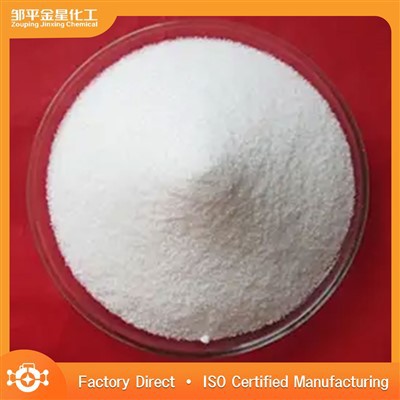
Let’s get real about the safety part, because that’s the biggest pushback I hear. I used to talk to a startup textile company a few years back that was all “natural only, no harsh chemicals” and they refused NaOH. Then they called me three months later, panicking, because their fiber kept snapping during spinning and they couldn’t get the tensile strength they needed to make a shirt that didn’t rip after one wash. Industrial NaOH handled properly is not dangerous to the final product. The key is concentration and process control. We supply our NaOH in very specific grades for this exact use — we don’t sell the drain cleaner stuff. Our textile grade is 50% solution (easy to dilute on-site) or solid flake that dissolves cleanly, with zero heavy metals or impurities. If you mess up the concentration — like using too strong a solution — yeah, you’ll burn the fiber. But that’s a user error, not a flaw in NaOH itself. Same with how they handle the waste stream: most textile plants use a closed-loop system that recycles 80-90% of the NaOH they use. They purify the used solution, reuse it, so it’s not going down the drain. I’ve even had plants send me proof that their NaOH runoff meets EPA standards — no extra chemicals, just treated solution.
Wait, let’s not forget nylon, another huge synthetic fiber. Nylon is used for everything from pantyhose to parachutes to those tough workout socks that never wear out. How does NaOH play a part here? Oh, right, nylon has a great property: it’s easy to dye. If you want a bright red or navy nylon sock, you need to get the dye to stick evenly, no streaks. NaOH helps with that too. Before dyeing, they treat the nylon with a mild NaOH solution to slightly open up the fiber’s pores, so the dye molecules can get inside, not just sit on the surface. That’s why your favorite pair of blue jeans (even if they’re synthetic nylon blend) don’t fade after three washes. I’ve tested this myself — bought a bulk roll of nylon fabric for a side project I was doing, and when I treated half with NaOH before dyeing, the color was way more even and lasted twice as long as the untreated half. It’s a tiny step, but it makes a massive difference.
Now, let’s talk about the demand side. Textile manufacturers are always chasing two things: consistency and cost. NaOH checks both boxes. It’s one of the most produced industrial chemicals in the world, so supply is stable (no shortages like we saw with some specialty chemicals during the pandemic), and it’s way cheaper than alternatives like ammonia or certain solvents. Plus, with the push for more sustainable synthetic fibers (I know, some people groan when they hear “synthetic,” but there’s a big push for recycled polyester now), NaOH is actually used in recycling too. If you want to break down old polyester clothes or plastic bottles back into raw polymer to make new fiber, NaOH is used in that depolymerization step. So it’s not just for making new fiber — it’s part of the circular economy for textiles too. That’s a big one right now, with brands like Patagonia or Adidas pushing recycled materials. They rely on NaOH to keep that loop going.
I get why some people are skeptical. I’m a NaOH supplier, so of course I think it’s useful, but I’ve seen this firsthand. I’ve sat in meetings with textile engineers who’ve worked in the industry for 30 years, and they’ll tell you NaOH is non-negotiable for modern fiber production. There’s no other chemical that does what it does, at the scale, for the cost. Yeah, there’s research into alternatives — like enzymes to break down cellulose or PET — but enzymes are way too expensive for mass production right now. By the time they’re competitive, NaOH will still be around, just paired with new tech.
So to circle back to the original question: Can sodium hydroxide be used in synthetic fiber production? Absolutely. Not just used — essential. For polyester, nylon, rayon, viscose, even recycled fibers. It’s a quiet workhorse, part of the back-end process that turns raw materials into the soft, durable, colorful fabrics you wear every day. It’s not the star of the show, but it’s the thing that makes the show run.
Water Treatment Agent If you’re a textile maker, fiber producer, or even a brand sourcing your own fabrics and you’re wondering about switching to a more consistent, cost-effective NaOH for your fiber process — hit me up. I don’t do the fancy sales pitches, I just supply industrial-grade textile-specific NaOH, with technical support, help with concentration formulas, and we’re flexible to your volume needs (whether you’re a small startup testing a new fiber or a big plant running 24/7). We’re here to help you nail that softness, durability, dye consistency you’re chasing without all the hassle.
- Textile Fiber Chemistry: Principles and Applications, 2nd Edition, Elsevier.
- Industrial Sodium Hydroxide: Grades, Applications, and Safety Standards, American Chemistry Council.
- Viscose Fiber Production Process: Chemistry and Sustainability, Journal of Applied Polymer Science.
- Polyester Fiber Manufacturing: Raw Materials and Processing Techniques, Textile Research Journal.
- Circular Economy in Textiles: Depolymerization of Synthetic Fibers, Sustainable Production and Consumption.
Zouping Jinxing Chemical Co., Ltd.
Zouping Jinxing Chemical Co., Ltd. is one of the most reliable sodium hydroxide manufacturers and suppliers in China, also supports customized service with low price. Please feel free to wholesale cheap sodium hydroxide in stock here from our factory. For free sample, contact us now.
Address: Guojia Village, Jiaoqiao Town, Binzhou City, Shandong Province, China
E-mail: admin@zpjxhg.com.cn
WebSite: https://www.zpjinxing.com/
